If you are wondering what everyday life in Lake Highlands actually feels like, the short answer is this: it is a part of Dallas where you can keep a practical routine without giving up parks, trails, and neighborhood gathering spots. For many buyers, sellers, and relocating clients, that balance is the real draw. You get a mature in-town neighborhood with useful amenities, solid connectivity, and housing options that often reward a long-term mindset. Let’s dive in.
What daily life feels like
Lake Highlands has a rhythm that feels more local than flashy. Day to day, many routines revolve around a mix of driving, quick errand stops, outdoor time, and a few key retail hubs that make the area easy to navigate.
It is still a car-friendly neighborhood in practice, especially for errands and dining across different corners of the area. At the same time, it is not cut off from transit or trails, which gives you more flexibility than you might expect from a suburban-style setting inside Dallas.
Getting around Lake Highlands
Driving is still the default
Regional connectivity is a big part of the neighborhood’s function. ForwardDallas places Lake Highlands and Far Northeast Dallas in the NE-2 district and points to access from I-635 and US 75, which helps explain why many residents can move around the city fairly efficiently.
That matters in real life because shopping, restaurants, and services are spread across several arterial corridors and retail nodes. In other words, you can usually get where you need to go, but many routines still involve the car.
DART adds real flexibility
Lake Highlands is not limited to driving alone. DART’s Lake Highlands Station sits within Lake Highlands Town Center on the Blue Line and includes bus transfer space, passenger drop-off, and sidewalk and trail connections.
Nearby White Rock Station is also on the Blue Line, and Walnut Hill Station offers Red and Orange line access west of the neighborhood core. White Rock Station notes service to downtown Dallas and downtown Garland, which can be useful if you want to build part of your week around rail instead of driving every trip.
Walking and biking are part of the mix
ForwardDallas notes that sidewalks cover about 80% of the region and that creek corridors support pedestrian trails. That does not make every daily trip fully walkable, but it does support a more hybrid lifestyle where some outings can happen on foot or by bike.
That distinction is important if you are comparing Lake Highlands with either a denser urban district or a more auto-dependent suburb. The neighborhood tends to land in the middle, which is often exactly what buyers want.
Parks and trails shape the routine
White Rock Lake is a major lifestyle draw
White Rock Lake is one of the strongest day-to-day lifestyle assets near Lake Highlands. The City of Dallas describes it as a 1,015-acre lake about 5 miles northeast of downtown, with a 9.33-mile hike-and-bike trail, picnic areas, a dog park, boat ramps, a kayak concession, and bird-watching areas.
In practical terms, that gives you a go-to spot for morning walks, bike rides, runs, and weekend outdoor time. If you want a neighborhood where outdoor activity can become part of your normal schedule, this is a meaningful advantage.
Neighborhood parks add convenience
Lake Highlands also benefits from parks that support more everyday use close to home. Harry S. Moss Park spans 284.1 acres and includes a 5.46-mile off-road cycling trail, soccer fields, playgrounds, and multi-use trails.
Lake Highlands Park offers 36.8 acres with playground and field space, while Norbuck Park totals 100.9 acres with trails, courts, and playground features. Instead of relying on one major destination alone, you have multiple outdoor options built into the broader area.
Trails connect the neighborhood
The trail system is another reason the area feels livable day to day. Dallas Parks lists the Lake Highlands Trail from White Rock Creek Trail to Ferndale Road, and county trail materials note that the link from Lake Highlands Town Center Trail to White Rock Creek Trail is complete.
The broader White Rock Creek and Lake Trail is described by Dallas County as 17.1 miles total and one of the most heavily used trails in North Texas. For buyers who value movement, convenience, and outdoor access, this trail network is a big part of Lake Highlands’ appeal.
Recreation centers support busy households
Lake Highlands North Recreation Center adds another practical layer to local life. According to Dallas Parks, the center includes a fitness room, gymnasium, pool, sprayground, tennis court, trails, picnic pavilion, playground, and an indoor play area called the Wildcat Fun Zone.
That kind of amenity mix can simplify your weekly routine. Instead of driving all over Dallas for different activities, you have a multi-use recreation option right in the area.
Errands, dining, and gathering spots
Town Center is the everyday hub
Lake Highlands Town Center is the clearest mixed-use focal point in the neighborhood. The North Central Texas Council of Governments describes it as a developing, walkable area near the Blue Line station, with pedestrian-friendly streets and a tree-lined promenade called Wildcat Way.
A current brochure shows a practical tenant mix that includes Sprouts, Starbucks, First Watch, Cane Rosso, Fish City Grill, Jersey Mike’s Subs, Yogurtland, Hollywood Feed, Play Street Museum, Ideal Dental, The UPS Store, Chase Bank, Verizon, and 9Round. That combination makes it easy to cover groceries, coffee, casual dining, pet supplies, errands, and a few family activities in one place.
The dining scene has grown
Local reporting shows that Lake Highlands has evolved from a more limited dining landscape into one with several useful clusters. In addition to Town Center near Walnut Hill and Skillman, activity also shows up around Lakeridge Village, Lakeridge Shopping Center, and Creekside.
The same reporting also makes a key point: the area still functions as a structurally suburban, car-oriented neighborhood. So while dining options are more layered than they used to be, the experience is still more drive-to than fully walkable.
Community events create local touchpoints
Public gathering also plays a visible role in the neighborhood. The Lake Highlands PID says it supports teen job fairs, trunk-or-treat events, weekly and monthly crime-watch meetings, and free outdoor concerts at the town center.
That helps explain why Lake Highlands often feels organized around shared local spaces rather than only private residential blocks. For many people, that adds a sense of rhythm and connection to everyday life.
Housing variety supports different stages
It is not one housing type
Lake Highlands includes more than one kind of home and ownership style. The Lake Highlands PID says the district includes commercial, condominium, townhome, and single-family owners, while city planning materials note that nearly all residential areas are covered by a neighborhood organization or HOA.
That mix can be helpful if you are trying to match a home search to your current stage of life, budget, or maintenance preferences. It also gives the broader area a more layered feel than neighborhoods built around just one housing pattern.
Older pockets bring character and staying power
In Old Lake Highlands, the neighborhood association describes about 1,700 homes, a greenbelt perimeter, elevated views of downtown Dallas and White Rock Lake, and access to bike and jogging paths and parks. The area is also known for the White Rock Home Tour, which highlights mid-century and modern homes.
For buyers, this points to an established housing stock with personality and location value. For sellers, it helps explain why presentation, condition, and positioning can matter so much from one property to the next.
Why many owners renovate instead of move
The neighborhood supports a stay-and-improve mindset
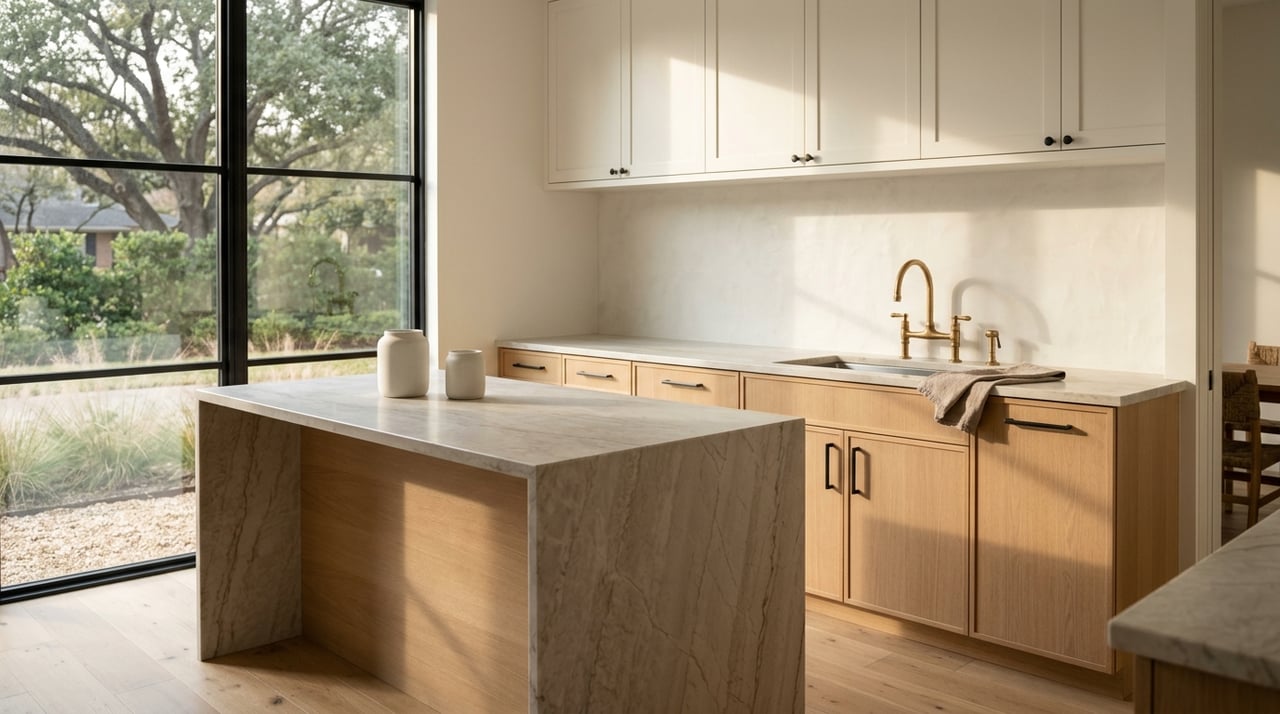
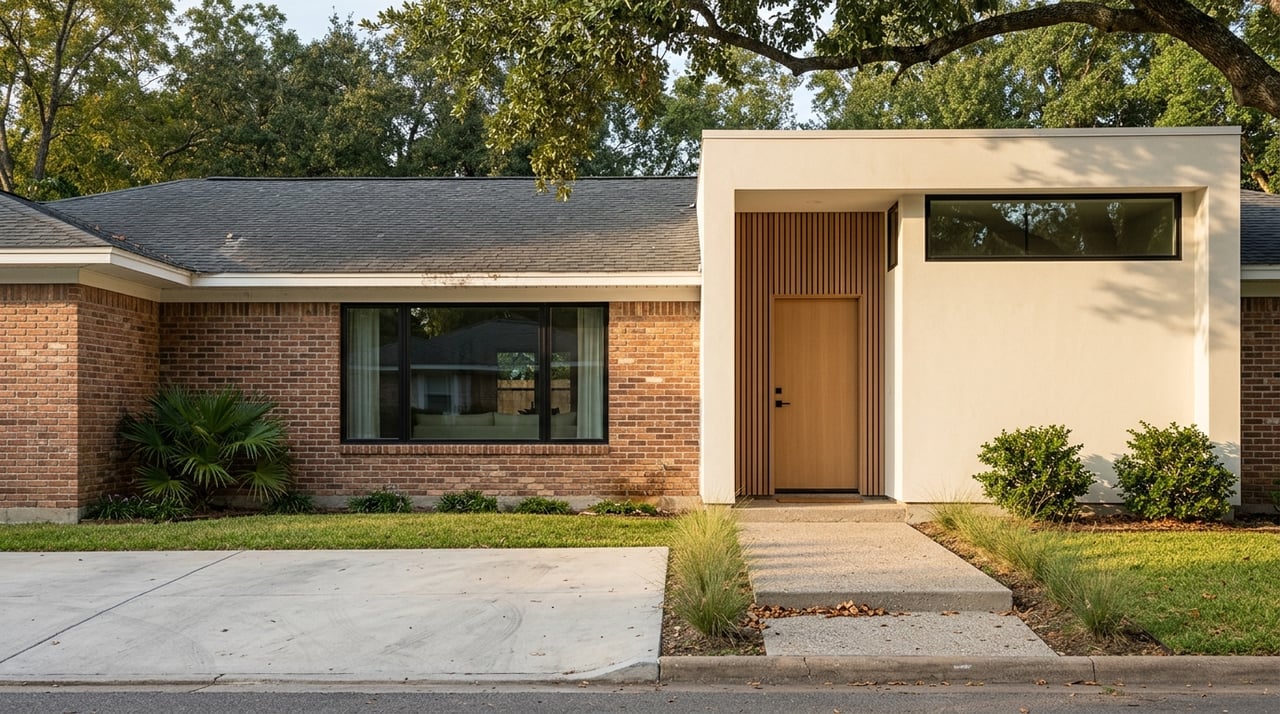
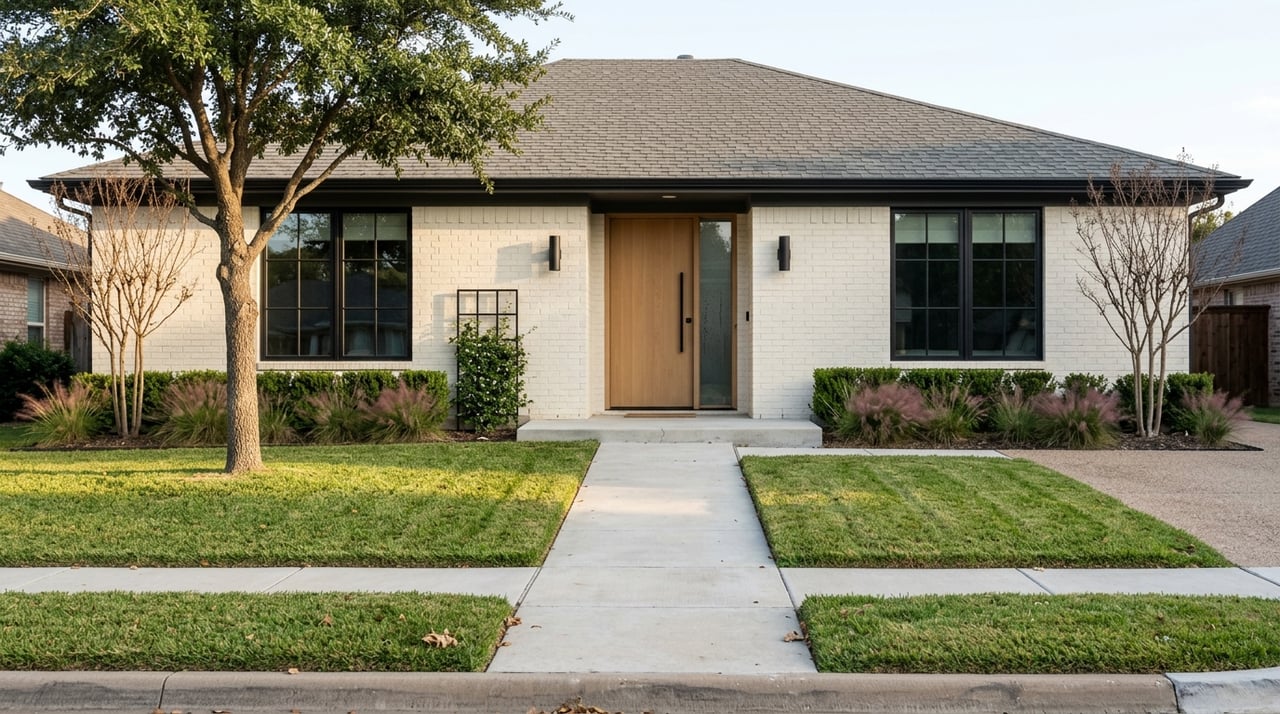
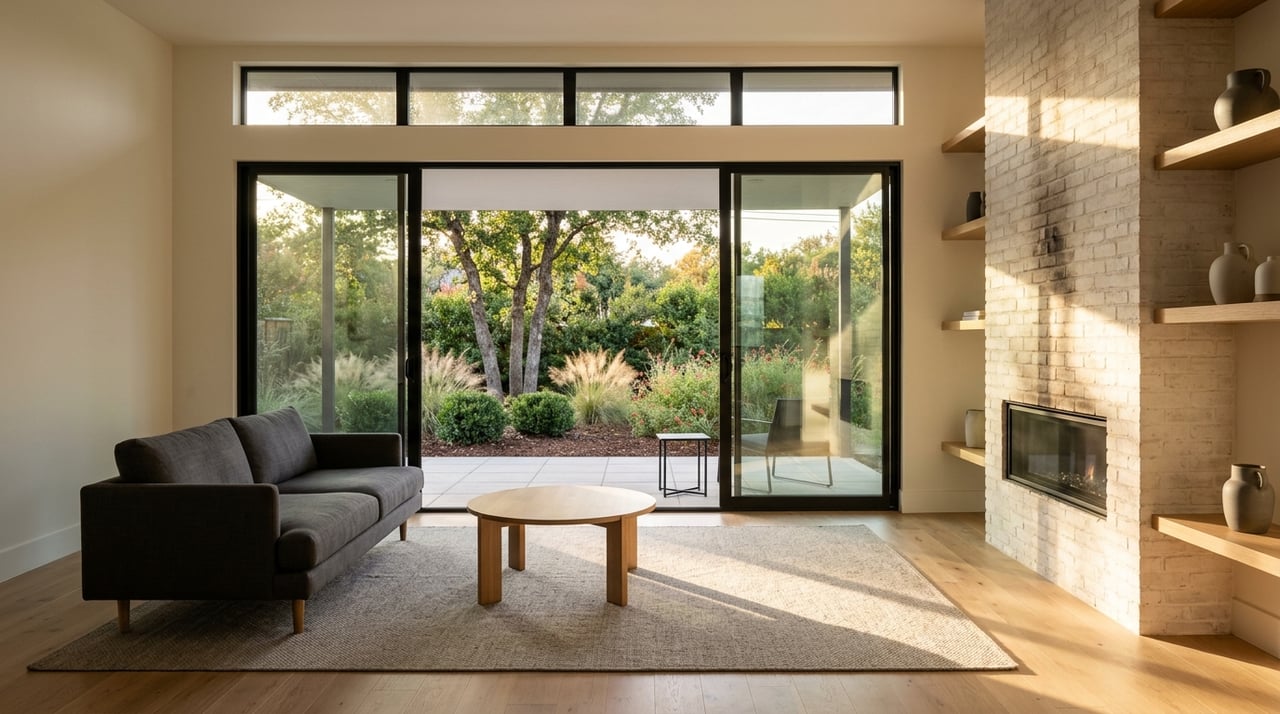
One of the more interesting parts of Lake Highlands is its renovation culture. Recent features from Old Lake Highlands describe 1950s homes being updated for modern living, with owners adding space, improving layouts, and keeping the location they already love.
That pattern makes sense when you look at the bigger picture. If you already have mature trees, park access, trail connections, and solid commuter routes, improving the house can be more appealing than starting over somewhere else.
This matters for buyers and sellers
From an asset perspective, Lake Highlands often rewards buyers who can see potential beyond cosmetic finishes. A home may need changes to match your style or layout needs, but the neighborhood fundamentals can still be strong.
For sellers, that same mindset can create opportunity. Strategic updates, smart positioning, and clear pricing can help buyers understand both the current value and the future upside of a property.
Who Lake Highlands may suit best
Lake Highlands can make sense if you want an established Dallas neighborhood with a practical daily rhythm. It may especially appeal to people who want:
- Access to parks, trails, and outdoor recreation
- A car-friendly area that still offers DART options
- Everyday retail and dining close to home
- Housing choices that include condos, townhomes, and single-family homes
- Older homes with renovation or design potential
- A neighborhood that supports long-term ownership
If you are looking for a fully urban, block-by-block walkable lifestyle, Lake Highlands may feel more suburban than expected. But if you want a balanced routine with both convenience and breathing room, it checks a lot of boxes.
The bottom line on Lake Highlands living
Lake Highlands stands out because it blends everyday function with lifestyle value. You can run errands, access major roads, use DART when it fits, and still have meaningful park and trail access built into your week.
That combination is a big reason the area continues to attract attention from buyers, sellers, and homeowners thinking long term. If you are evaluating Lake Highlands, it helps to look beyond the floorplan and assess how the neighborhood supports your routine, your goals, and the upside of the home as an asset.
If you are considering a move, a sale, or a renovation-minded purchase in Lake Highlands, Janell Branch can help you evaluate the neighborhood with a strategic, design-aware, and investment-minded lens.
FAQs
What is day-to-day life like in Lake Highlands, Dallas?
- Lake Highlands generally offers a practical, car-friendly routine with added value from DART access, parks, trails, neighborhood retail, and community gathering spots.
Is Lake Highlands walkable for daily errands?
- Some areas, especially around Lake Highlands Town Center, support walkable errands, but the neighborhood overall is still more driving-based than fully walkable.
What outdoor amenities are near Lake Highlands?
- Key outdoor amenities include White Rock Lake, Harry S. Moss Park, Lake Highlands Park, Norbuck Park, the Lake Highlands Trail, and the broader White Rock Creek and Lake Trail system.
Does Lake Highlands have public transit access?
- Yes. Lake Highlands Station and White Rock Station are on the DART Blue Line, and Walnut Hill Station provides access to the Red and Orange lines west of the neighborhood core.
What kinds of homes are found in Lake Highlands?
- The area includes a mix of condominiums, townhomes, and single-family homes, with older established pockets that often attract buyers interested in renovation potential.
Why do many homeowners stay and renovate in Lake Highlands?
- Many owners appear to choose renovation over moving because they can keep the neighborhood’s location, trees, parks, trail access, and connectivity while updating the home to fit current needs.