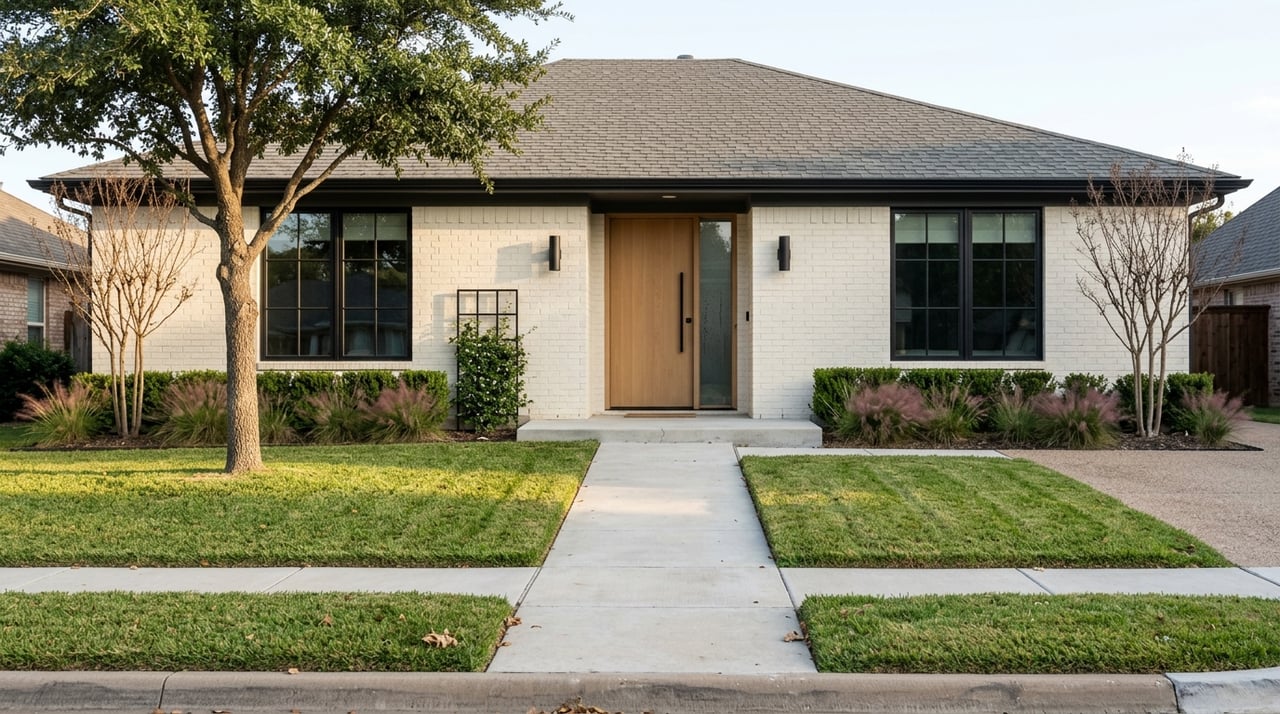
If you are home shopping in Prosper, the house is only part of the decision. In this market, the community often shapes your day-to-day experience, your carrying costs, and even your long-term resale more than buyers expect. When you understand how Prosper communities are planned, you can compare homes more strategically and avoid decisions based on square footage alone. Let’s dive in.
Why Prosper Communities Matter
Prosper is not just a collection of unrelated neighborhoods. It is a planned-growth town of about 27 square miles located roughly 35 miles north of downtown Dallas, spanning both Collin and Denton counties. Because residential growth is shaped through planned development, community design plays a major role in what you are really buying.
That matters because two homes with similar size and finish-out can offer very different lifestyles. One may put you near trails, pools, and gathering spaces, while another may offer a larger yard and a quieter lot orientation. In Prosper, the neighborhood framework is often part of the value, not just a backdrop.
National buyer data helps explain why this matters. In the 2024 buyer survey from the National Association of Realtors, quality of neighborhood ranked first at 60%, while larger lots or acreage ranked at 28% and school district quality at 18%. That tells you buyers often prioritize the setting around the home just as much as the home itself.
What Buyers Are Really Comparing
When you tour homes in Prosper, you are often comparing more than price and layout. You are also comparing lot width, garage placement, yard burden, amenity access, and how the community may change as it continues to build out. These details can affect both your daily routine and future resale.
Prosper’s comprehensive plan makes this especially clear. While single-family homes remain the dominant housing type, the town specifically places townhomes, brownstones, patio homes, and zero-lot-line homes mainly in the Dallas North Tollway, Highway 380, Town Center, and Old Town districts. That means product type and location are closely linked.
From an asset perspective, this is where smart comparisons happen. You are not just asking, “Do I like this house?” You are also asking, “Does this community setup fit how I want to live, maintain, and resell this property later?”
How Home Type Changes Your Search
Townhomes in Prosper
Townhomes are a recognized product type in Prosper’s planning framework. They are generally concentrated in areas where higher-density residential forms are expected. For many buyers, the appeal is a more compact footprint with potentially lower exterior maintenance and less yard to manage.
The tradeoff is usually less private outdoor space and, in some cases, tighter architectural rules. If you value convenience and a lock-and-leave feel, a townhome may fit your goals. If you want more separation, more yard, or a broader range of lot options, you may want to look elsewhere.
Smaller-Lot Detached Homes
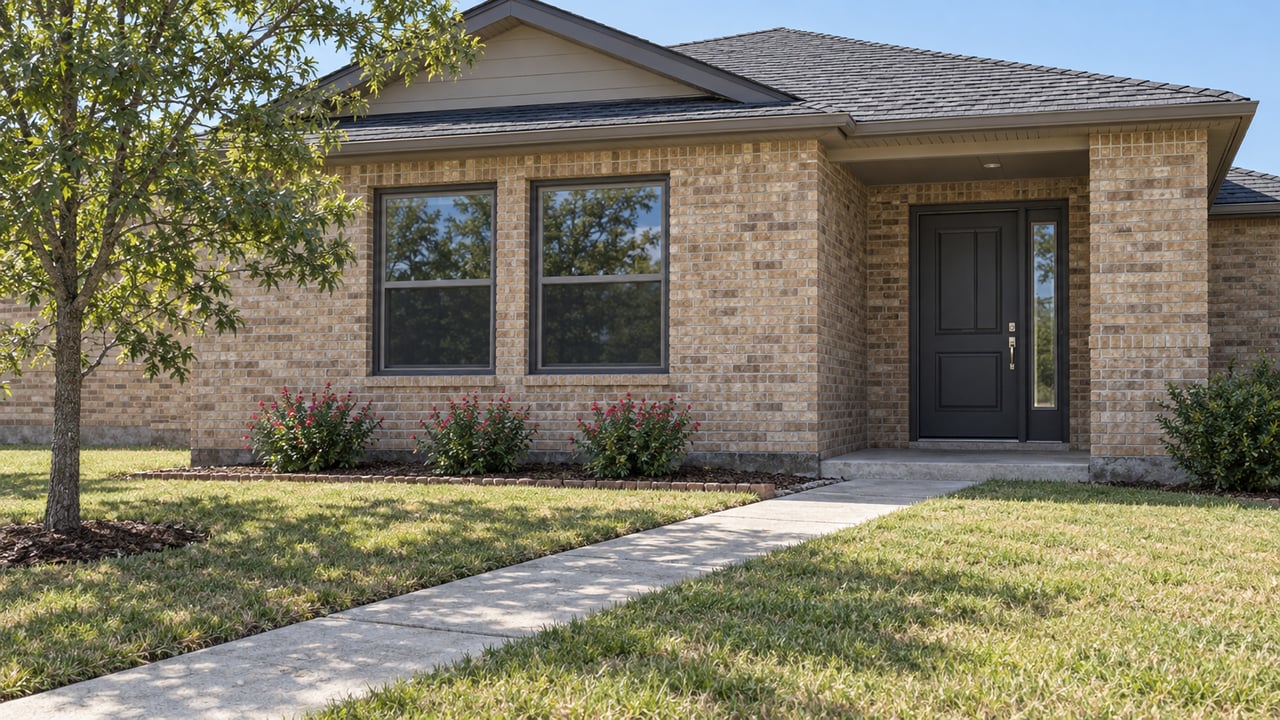
In Prosper, what many buyers call garden homes line up most closely with patio homes and zero-lot-line homes in the town’s planning language. These are detached homes, but they typically sit on smaller lots and may use rear-entry garages or similar design choices to preserve the streetscape and allow more landscaping in front.
This option can make sense if you want a detached home without the maintenance demands of a large yard. It can also appeal to buyers who care about curb appeal and efficient design more than raw lot size. The key is understanding that smaller-lot detached living is a distinct category, not just a smaller version of a traditional suburban home.
Larger Single-Family Homes
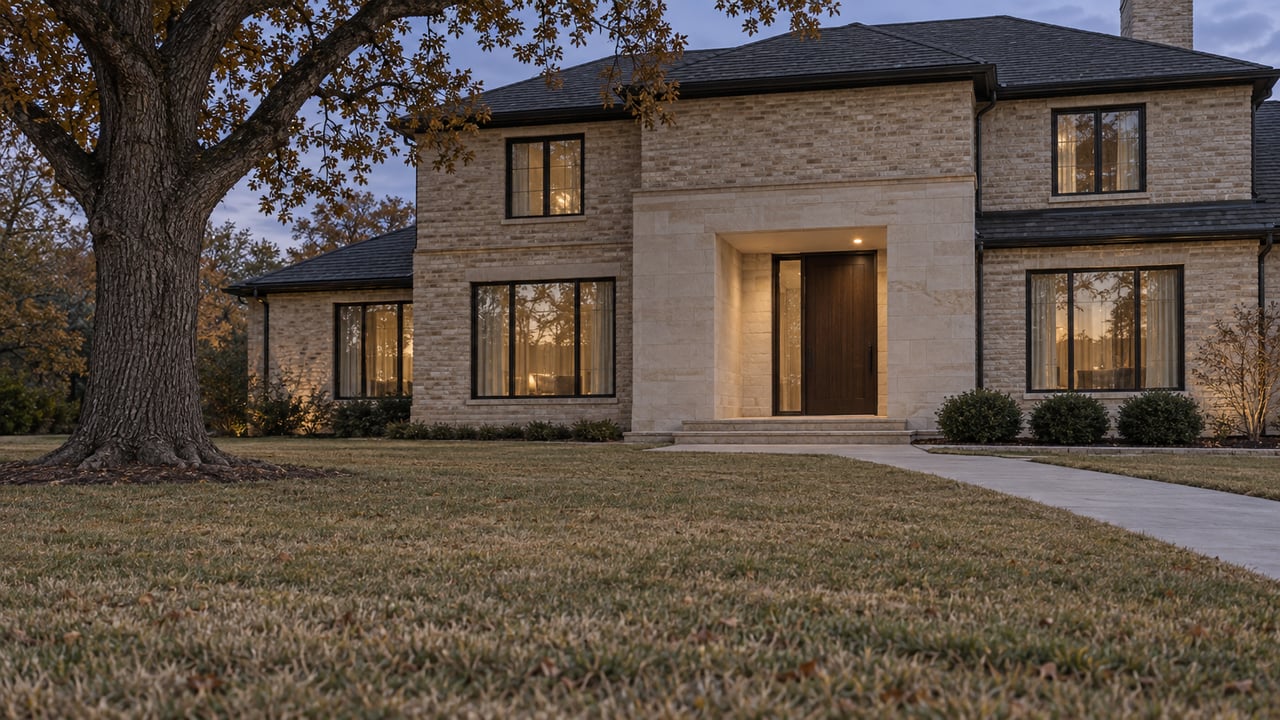
Larger single-family homes still make up a big part of Prosper’s master-planned inventory. These homes often offer more lot variety, more builder variety, and more room for outdoor living. For buyers planning a long-term move, this category often provides the broadest set of choices.
That does not automatically make it the best fit. A larger lot may give you flexibility and privacy, but it also brings more maintenance and a different cost structure over time. The right question is whether the extra space supports your lifestyle and your long-term goals.
Amenities Shape Daily Life
In a planned community, amenities are not just brochure material. They influence how often you use shared spaces, how connected the neighborhood feels, and how buyers may perceive the community later when it is time to sell.
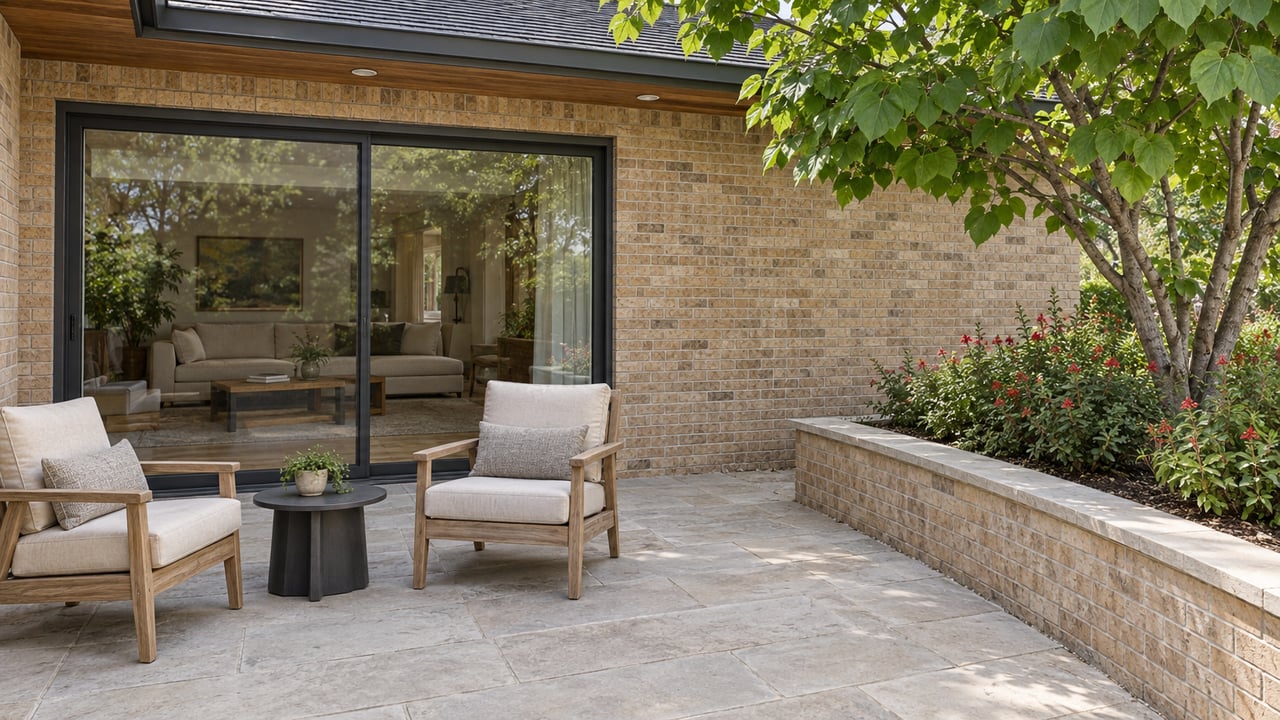
Master-planned developers often prioritize trails, pools, parks, and outdoor gathering areas early in a project. In Prosper, those features are often central to how communities are designed and marketed. If you know you will regularly use trails, fitness spaces, playgrounds, or resident gathering areas, that should be part of your decision framework.
If you will not use them much, you may want to weigh whether the related HOA costs still make sense for you. This is where buying like an owner and an investor at the same time can help. The strongest choice is not always the flashiest amenity package, but the one that aligns with how you will actually live.
How Prosper Communities Differ
Windsong Ranch
Windsong Ranch shows how broad the product mix can be within one community. According to its current materials, the full master plan includes 3,324 single-family homes, four amenity centers, four schools, two fire stations, and more than 600 acres of green space, parks, creeks, trails, and amenities.
The housing range is also notable. Community materials list single-family homes from 2,200 to 8,000 square feet, villas from 1,300 to 1,702 square feet, and townhomes from 1,400 to 1,900 square feet. The resident-exclusive 5-acre lagoon adds a distinctive amenity, but buyers should also note that HOA assessments may increase incrementally as development progresses.
Star Trail
Star Trail offers a different comparison point. Community materials describe more than 1,800 homes across just over 900 acres, with homes from the $700s to more than $1 million. Builder offerings span multiple lot widths, including 55-foot, 65-foot, and 86-foot lots.
The amenity package includes a clubhouse, three pools, trails, tennis and pickleball, playground space, two resident amenity centers, and an on-site Prosper ISD elementary school. Current HOA and tax materials also state that residents do not incur MUD or PID fees, which can be an important carrying-cost distinction when comparing communities.
Legacy Gardens
Legacy Gardens is another example of how community identity can shape a buying decision. It is described as a 300-acre master-planned community north of Highway 380 with a modern amenity center, infinity-edge resort-style pool, fitness studio, yoga lawn, indoor and outdoor play spaces, co-working space, conference room, and walking trails.
Current community materials also reference future onsite elementary and middle schools, along with large homesites and gathering-focused amenities. For buyers who want a newer community with lifestyle-driven shared spaces, this may check very different boxes than a more established neighborhood or a lower-maintenance product type.
School Zones Need Address-Level Review
In Prosper, school assignment is not something you should assume based on a neighborhood sign. Prosper ISD reports 33,952 enrolled students and a 6.37% growth rate, and the district directs families to verify attendance zones by address. That matters because growth can lead to boundary review and change over time.
A 2025 board recap also notes a new middle school opening on the east side in fall 2026, with boundary changes being evaluated. For buyers, that means the school assignment tied to a specific home may matter just as much as the community name itself. If schools are part of your decision, confirm the current assignment for the exact address before you move forward.
HOA Costs and Rules Are Part of Value
In Prosper, HOA review should be treated as a core part of due diligence. Under Texas Property Code Chapter 207, owners have access to governing documents and resale certificates that include information such as assessments and certain lawsuit details. Chapter 209 also governs notice requirements before certain enforcement actions.
In practical terms, the HOA packet helps you understand the real cost and restrictions attached to the property. It is where you can review assessments, rules, and other details that affect ownership beyond the mortgage payment. That information is especially important in master-planned communities where amenities and standards are a major part of the value proposition.
It also helps explain why two homes at similar prices may not be equal from a cost standpoint. For example, Star Trail materials state there are no MUD or PID fees, while Windsong Ranch notes HOA assessments may increase as development progresses. Those differences can shape affordability and resale positioning over time.
Resale Starts With the Right Community Fit
The best resale outcomes in Prosper are often tied to more than the house itself. Based on buyer-priority data and Prosper’s planning framework, homes that align the right lot size, useful amenities, and a strong school-zone fit may be better positioned as the community matures.
That does not mean there is one winning formula for every buyer. It means your search should focus on tradeoffs that matter in this specific market, including lot geometry, shared amenities, maintenance expectations, and the cost structure of the neighborhood. When you evaluate Prosper through that lens, you make a more informed decision from day one.
If you are weighing communities in Prosper, it helps to have a strategy that looks beyond finishes and into long-term value. A smart home search should account for lifestyle fit, ownership costs, and resale potential together. When you are ready for guidance with a clear, investment-minded lens, connect with Janell Branch.
FAQs
How do Prosper communities affect home buying decisions?
- Prosper communities can affect your lifestyle, maintenance level, HOA costs, amenity access, school assignment, and long-term resale, so the neighborhood is often as important as the house itself.
How are townhomes different from smaller-lot detached homes in Prosper?
- Townhomes are a separate product type in Prosper’s planning framework, while smaller-lot detached homes align more closely with patio homes or zero-lot-line homes that offer detached living on a smaller footprint.
Why should buyers verify Prosper ISD school zones by address?
- Prosper ISD directs families to confirm attendance zones by address, and continued district growth means future boundary evaluations can affect school assignments for specific homes.
What should buyers review in a Prosper HOA packet?
- Buyers should review assessments, governing documents, rules, and resale certificate details because these materials help explain the true cost and restrictions tied to the property.
Which Prosper community costs can vary from one neighborhood to another?
- HOA assessments, possible MUD or PID fees, and other ownership-related costs can vary by subdivision, so you should verify them for the exact home instead of assuming they are the same across Prosper.
Why do amenities matter when buying in Prosper?
- Amenities like trails, pools, parks, and gathering spaces can shape daily use, community appeal, and resale perception, so they should be weighed based on how you actually plan to live.