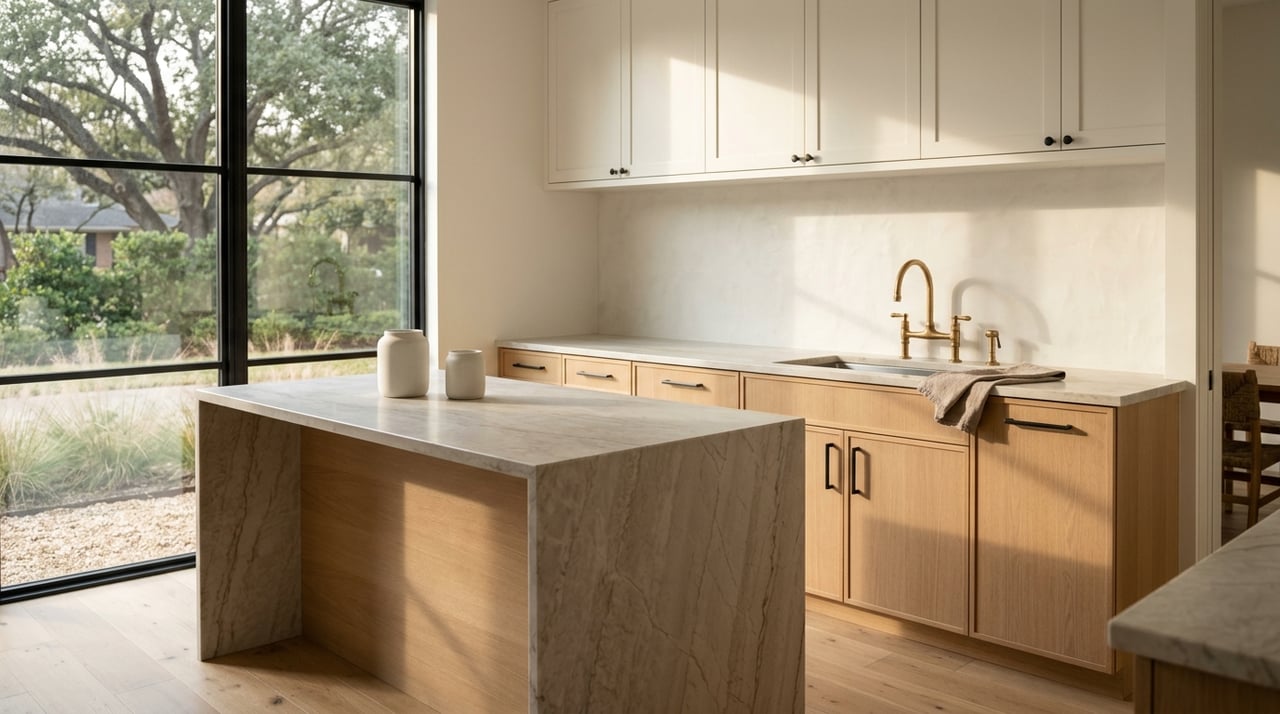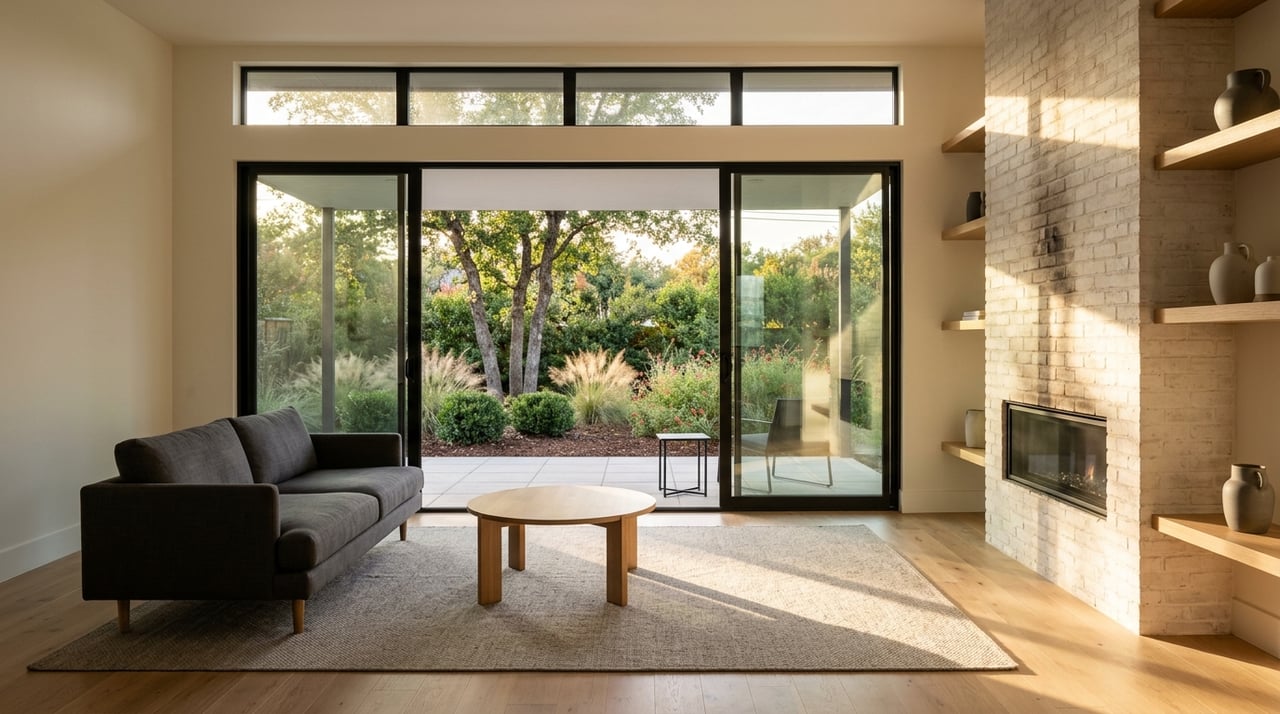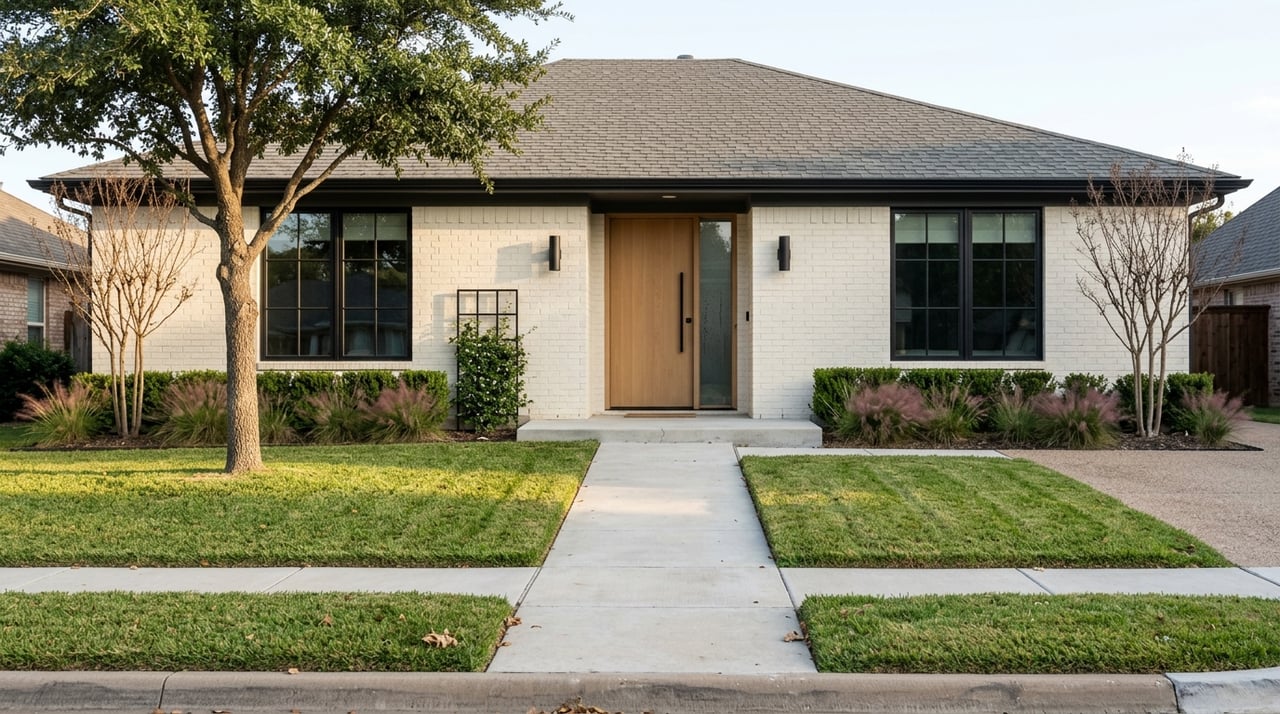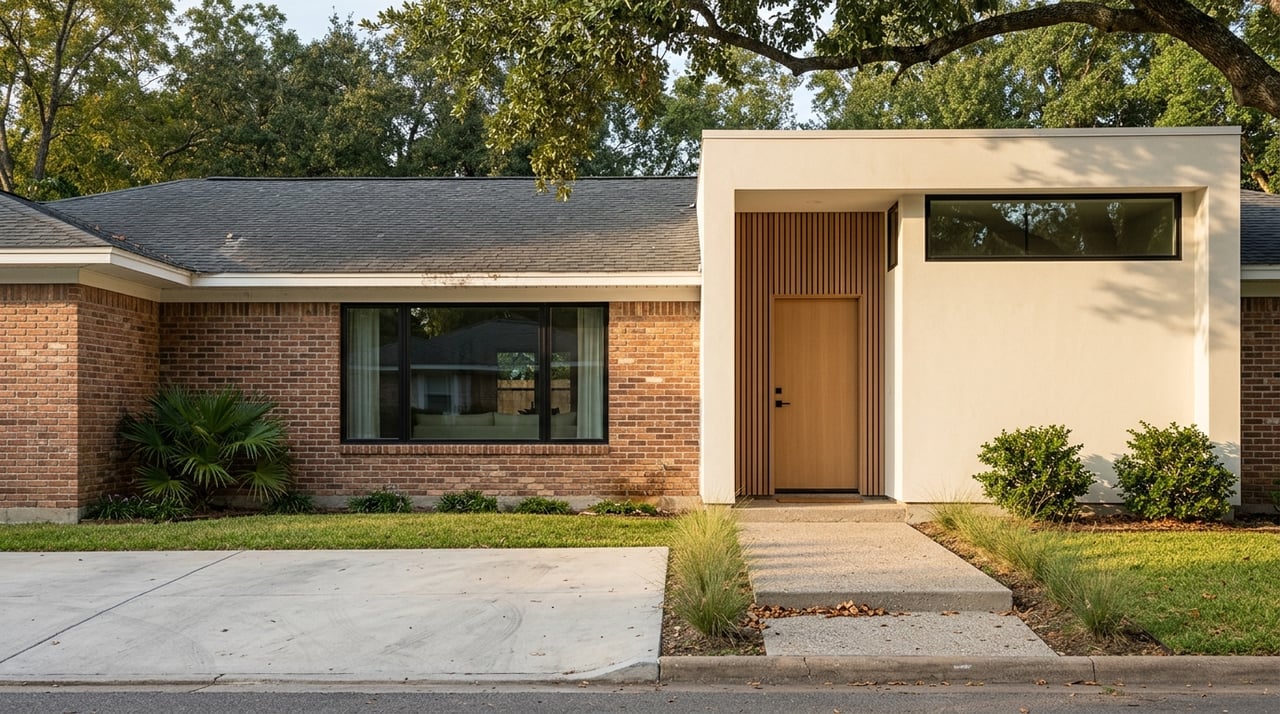
If you are torn between a classic ranch and a newer build in Lake Highlands, you are not alone. This part of Dallas gives you a real mix of options, from mid-century single-story homes with big yards to newer infill homes with larger layouts and updated systems. The right choice depends less on what is “better” and more on what fits your budget, priorities, and long-term plans. Let’s break down the trade-offs so you can make a smart move.
Lake Highlands gives you three real options
Lake Highlands is a mature Dallas market with a varied housing stock. You will find postwar cottages, mid-century ranch homes, and newer or contemporary construction in the same general area.
Old Lake Highlands alone has about 1,700 homes and is bounded by Northwest Highway, Lake Highlands Drive, and Buckner Boulevard. Housing in that pocket is largely from the 1940s through 1960s, with some newer homes mixed in, which helps explain why buyers often compare original ranches, updated homes, and newer builds side by side.
The market also shows steady demand. Current Redfin data places Lake Highlands at about a $650,000 median sale price with roughly 28 days on market, which points to an active market where well-positioned homes can move.
Ranch homes: character, yard, and flexibility
Classic Lake Highlands ranch homes usually appeal to buyers who want a single-story layout, mature landscaping, and more outdoor space relative to the home’s size. Many of these homes sit on sizable lots and have the kind of street presence that comes from established trees and lower-profile architecture.
In current and recent examples, lot size is a big part of the draw. A ranch at 214 Leda Dr sold as a 3-bedroom, 2-bath home on a 7,187-square-foot lot, while 9935 Knoll Krest Dr is a 3-bedroom, 2-bath ranch on a 9,300-square-foot lot. Another example, 10425 Clary Dr, is a 1968 home on an 8,655-square-foot lot.
That extra lot space often translates into practical lifestyle value. Listings commonly mention covered patios, large lawns, garden space, mature trees, and room for future expansion. If you want outdoor living, room to personalize, or a home that feels rooted in the neighborhood, a ranch can check those boxes.
What buyers usually like about ranch homes
Buyers are often drawn to ranch homes for a few simple reasons:
- Single-story living
- Larger yards relative to interior square footage
- Mature trees and established streetscapes
- Original character with room to customize
- Lower entry price compared with many new builds
That lower entry point matters in Lake Highlands. Older ranch examples and renovation opportunities in the area include a 1953 home that sold for $525,000, a 1961 ranch listed at $460,000, and a 1968 updated ranch listed at $650,000.
Newer builds: size, layout, and efficiency
Newer homes in Lake Highlands offer a very different product. These are often infill homes rather than part of a large new subdivision, and they typically prioritize larger floor plans, open living areas, and more modern features.
Current new-construction examples on Redfin range from about $849,000 for 2,360 square feet to $2.25 million for 4,536 square feet on a 9,235-square-foot lot. Another newer build is listed at $912,835 for 2,969 square feet.
Inside, the differences are usually easy to spot. Newer homes often feature open first-floor living, chef’s kitchens, walk-in closets, larger primary suites, attached garages, and more bathrooms and storage than a typical mid-century ranch.
What newer builds often deliver
If your priority is turnkey living, a newer build may feel simpler and more predictable. Common advantages include:
- More square footage
- More bedrooms and bathrooms
- Open-concept layouts
- Larger kitchens and primary suites
- Attached garages and added storage
- More current energy-performance standards
Energy performance is one area where newer homes usually have an edge. Older homes often have less insulation than homes built today, and air leakage can account for 30% or more of heating and cooling costs, according to the Department of Energy. That means utility performance can improve in a ranch, but usually only when updates include insulation, air sealing, windows, and HVAC work.
The biggest trade-off is often lot usage
One of the clearest differences between a ranch and a newer build is how much of the lot the house uses. A smaller ranch on a 7,187-square-foot lot may leave more lawn and open yard relative to the size of the home.
By contrast, a 4,536-square-foot new build on a 9,235-square-foot lot generally uses more of the parcel for interior space and attached parking. Even when the lot itself is still sizable, you may end up with less yard relative to the home’s scale.
That is not automatically good or bad. It simply comes down to what matters more to you: more interior square footage and newer finishes, or more breathing room outside.
The middle path: major remodels and expanded ranches
In Lake Highlands, you are not limited to choosing between untouched older homes and full new construction. Some properties sit in the middle through major remodels or expansions.
A good example is 450 Brookhurst Dr, which began as a 1950 ranch and was later expanded with a second story into a 4-bedroom, 3-bath, 2,659-square-foot home on an 8,451-square-foot lot. This kind of project keeps the original lot and some of the older street presence while changing the interior enough to work more like a contemporary home.
For many buyers, this middle path can be appealing. You may get an established setting with a more functional layout, but you still need to look closely at how much of the home is original and which systems were actually updated.
Budgeting beyond the purchase price
When you compare ranch homes and newer builds, the sticker price is only part of the equation. A lower-priced ranch can look attractive at first, but your true cost depends on what it needs after closing.
In Dallas, remodeling costs can add up quickly depending on scope. Angi’s 2026 Dallas guides estimate bathroom remodels at about $11,582 on average, small kitchen remodels at roughly $10,500 to $20,000, new kitchen installations at about $35,000 to $95,000, and room additions at around $49,488 on average, or about $85 to $210 per square foot.
Plumbing can also change the math. Angi estimates Dallas repiping at roughly $1,547 to $15,465, with most homeowners around $7,733. That helps explain why a cosmetic refresh can turn into a larger project once plumbing, electrical, insulation, windows, and HVAC are evaluated together.
A practical way to compare costs
Instead of thinking only in terms of sale price, compare homes in these buckets:
- Purchase price
- Immediate repair needs
- Planned cosmetic updates
- Major system upgrades
- Permit-related construction costs
- Likely resale range for that street or pocket
This asset-based view matters in Lake Highlands because the pricing spread is wide. Current market examples suggest rough tiers of renovation opportunities in the mid-$400,000s, updated ranches in the mid-$500,000s to mid-$600,000s, and newer construction from the high $800,000s into the low $2 millions.
Dallas permit rules matter for larger projects
If you are buying with renovation in mind, permit requirements should be part of your planning. According to the City of Dallas, residential permits are required for construction, renovation, and major repairs.
There is an important exception for some cosmetic work. Cosmetic interior remodeling of a single-family home that does not add floor area or change exterior doors or windows generally does not require a permit.
That distinction matters because the jump from light updating to major expansion is significant. Dallas also has a separate energy-compliance path for new one- and two-family construction and additions, which shows how much more process-heavy a rebuild or large addition can be.
Which option fits your goals best?
The best choice usually comes down to your top priority. In Lake Highlands, each housing type tends to solve a different problem.
Choose a ranch if you value lot and character
A classic ranch may fit you best if you want:
- Single-story living
- More yard relative to house size
- Mature trees and established surroundings
- A lower purchase price than many new builds
- The chance to update over time
This option can work well if you are comfortable evaluating condition and planning for future improvements.
Choose a newer build if you want turnkey function
A newer home may make more sense if you want:
- More square footage
- A more open layout
- Extra bedrooms and bathrooms
- Updated materials and systems
- Less immediate renovation planning
This option often costs more up front, but it can reduce uncertainty around major system updates and layout changes.
Choose a remodel if you want a compromise
A substantially updated or expanded home may be the right fit if you want:
- An established lot and neighborhood feel
- A more modern interior layout
- A balance between character and convenience
- Less guesswork than an original-condition home
This can be a strong middle ground, but only if the quality and scope of updates support the price.
A smart Lake Highlands decision starts with the numbers
In a neighborhood like Lake Highlands, floor plan alone does not tell the whole story. You need to compare lot value, house size, update quality, system condition, permit implications, and realistic resale position.
That is where a strategy-led approach helps. When you view each property as an asset, not just a set of finishes, it becomes easier to decide whether you should pay for turnkey convenience, buy into lot value and renovate over time, or target a remodeled home that blends both.
If you want help comparing Lake Highlands ranch homes, newer builds, or value-add opportunities, Janell Branch can help you evaluate the trade-offs with a design-savvy, investment-minded strategy.
FAQs
What is the main difference between Lake Highlands ranch homes and newer builds?
- Ranch homes usually offer single-story layouts, mature landscaping, and more yard relative to living space, while newer builds often offer more square footage, open layouts, and updated systems.
How much do newer builds in Lake Highlands cost compared with ranch homes?
- Current examples show newer construction roughly ranging from about $849,000 to $2.25 million, while older ranch and renovation opportunities in the area range from about the mid-$400,000s to the mid-$600,000s.
Do Lake Highlands ranch homes usually need renovations?
- Many older ranch homes may need careful review of systems like plumbing, electrical, insulation, windows, roofing, and HVAC, even when the home has strong character and lot value.
Are permits required for remodeling a home in Dallas?
- The City of Dallas requires residential permits for construction, renovation, and major repairs, while some cosmetic interior remodeling in a single-family home may not require a permit if it does not add floor area or change exterior doors or windows.
Is an expanded or remodeled ranch a good compromise in Lake Highlands?
- It can be, especially if you want an established lot and neighborhood feel with a more updated layout, but you should still evaluate the scope and quality of improvements carefully.
How should you compare a Lake Highlands ranch home with a newer build?
- A smart comparison looks at purchase price, lot size, condition of major systems, layout, likely renovation costs, permit complexity, and resale range for the specific street or pocket.