Wondering how to buy in Highland Park without letting emotion do all the driving? In a prestige market like this, the smartest purchases usually come from looking past finishes and asking harder questions about land, carrying costs, and long-term resale. If you want to approach Highland Park like an asset, not just a beautiful address, this guide will help you focus on what matters most. Let’s dive in.
Why Highland Park rewards discipline
Highland Park is not a typical expansion market with endless new inventory. The Town spans about 2.26 square miles, has roughly 8,900 residents, and sits about 3 miles north of downtown Dallas. It is also a built-out enclave, which means supply is naturally limited and each property tends to carry more weight as a land decision.
That scarcity shapes how you should evaluate value. In a market with little room for new supply, lot quality, orientation, architecture, and resale profile matter just as much as square footage. If you buy with an investor mindset, you are really underwriting a combination of location, site quality, and long-term desirability.
Think like a buyer of land first
In Highland Park, the house matters, but the lot often matters more than buyers expect. Because the area is built out, you cannot count on future neighborhood expansion to create value. Instead, you should pay close attention to the specific parcel you are buying and how it functions over time.
That means looking at more than curb appeal. Consider the home’s orientation, afternoon sun exposure, outdoor usability, privacy, and how the lot handles shade. In a neighborhood where supply is tight, these details can have a lasting impact on comfort and resale.
Why scarcity supports value
Highland Park benefits from durable demand drivers that are hard to replicate. Highland Park ISD serves more than 6,150 students across eight campuses, and many buyers consider the district part of the overall value proposition. That does not make every property equal, but it does help explain why demand stays steady.
The Town also has long-standing lifestyle features that support desirability. Highland Park Village opened in 1931 as the first shopping center of its type in the United States, and the Town continues to emphasize outdoor spaces and mature trees as part of its character. Those qualities tend to outlast design trends and help support long-term appeal.
Carrying costs deserve real attention
An investor mindset means you look at ownership costs early, not after you fall in love with a property. In Highland Park, property taxes are a major part of the equation. The Town’s posted tax rate is $0.199296 per $100 of assessed value, and Highland Park ISD’s 2025-26 tax rate is $0.8347 per $100.
Combined, that is about $1.033996 per $100 before county and other taxing units, and before any exemptions. The Town also states that Dallas Central Appraisal District appraises property values at market value. For buyers comparing two homes, those numbers can materially affect the true cost of ownership.
What that means for your budget
A lower list price does not always mean a better buy. If a home needs updates, your ownership costs may include taxes, insurance, utilities, and renovation carrying costs while work is being completed. In a luxury market, that can change the math quickly.
This is why smart buyers run the full picture. Instead of asking only, “Can I buy this?” ask, “Can I buy this, carry it comfortably, and still like the numbers if I need to improve it?” That shift alone can help you avoid overreaching.
Lot orientation matters in Texas
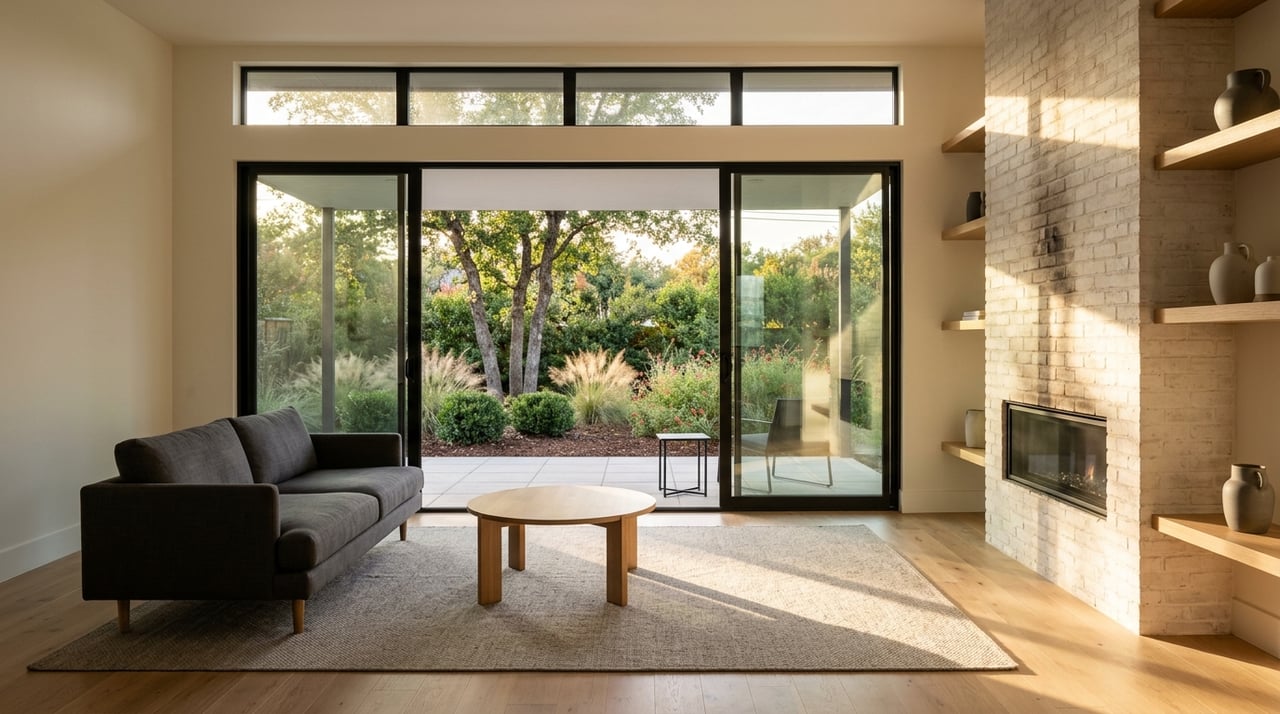
Two homes with similar square footage and finishes can live very differently based on orientation and shade. In warm climates, east- and west-facing glass can create more solar heat gain, while better orientation and lower solar heat gain windows can help manage cooling loads. In practical terms, that affects comfort, energy use, and how the home feels throughout the day.
In Highland Park, this matters even more because mature trees and outdoor spaces are such a visible part of the neighborhood. A lot with stronger afternoon shade and more usable exterior space may offer better day-to-day livability than a similar home on a harsher site. That can support resale too, especially for buyers who care about outdoor use in Texas heat.
Look closely at climate exposure
Highland Park’s climate profile adds another layer to site selection. Local market data flags severe heat risk, major wind risk, and moderate flood risk. That does not automatically rule out a property, but it should push you to examine roof condition, glazing quality, drainage, shade coverage, and storm exposure more carefully.
When you tour, pay attention to what happens after lunch, not just what the house looks like at 10 a.m. Afternoon sun, backyard usability, and tree placement can tell you a lot about how a home will perform in real life. Those factors may not always show up cleanly in listing photos, but they absolutely show up in ownership experience.
Favor timeless architecture over trends
In Highland Park, design choices should be filtered through long-term fit. The Town’s zoning ordinance is intended to conserve building value and regulate factors like location, height, bulk, alignment, yards, courts, and open space. That framework makes compatibility and site fit especially important.
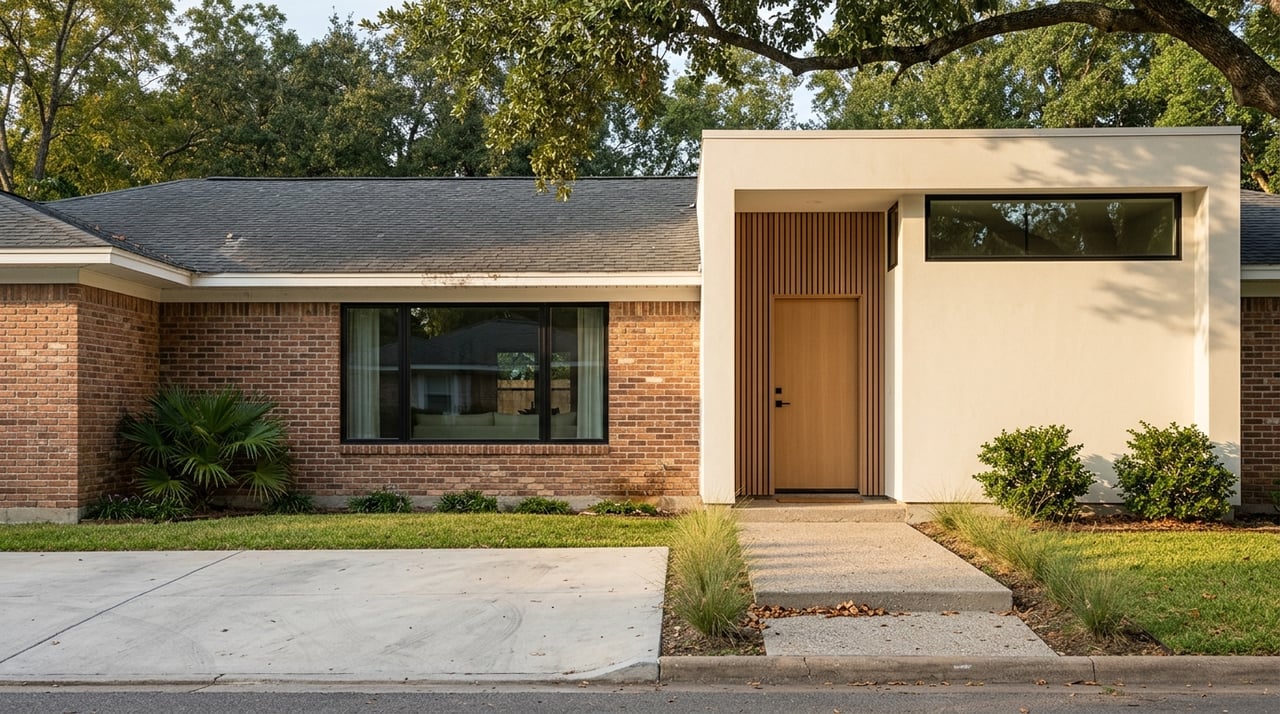
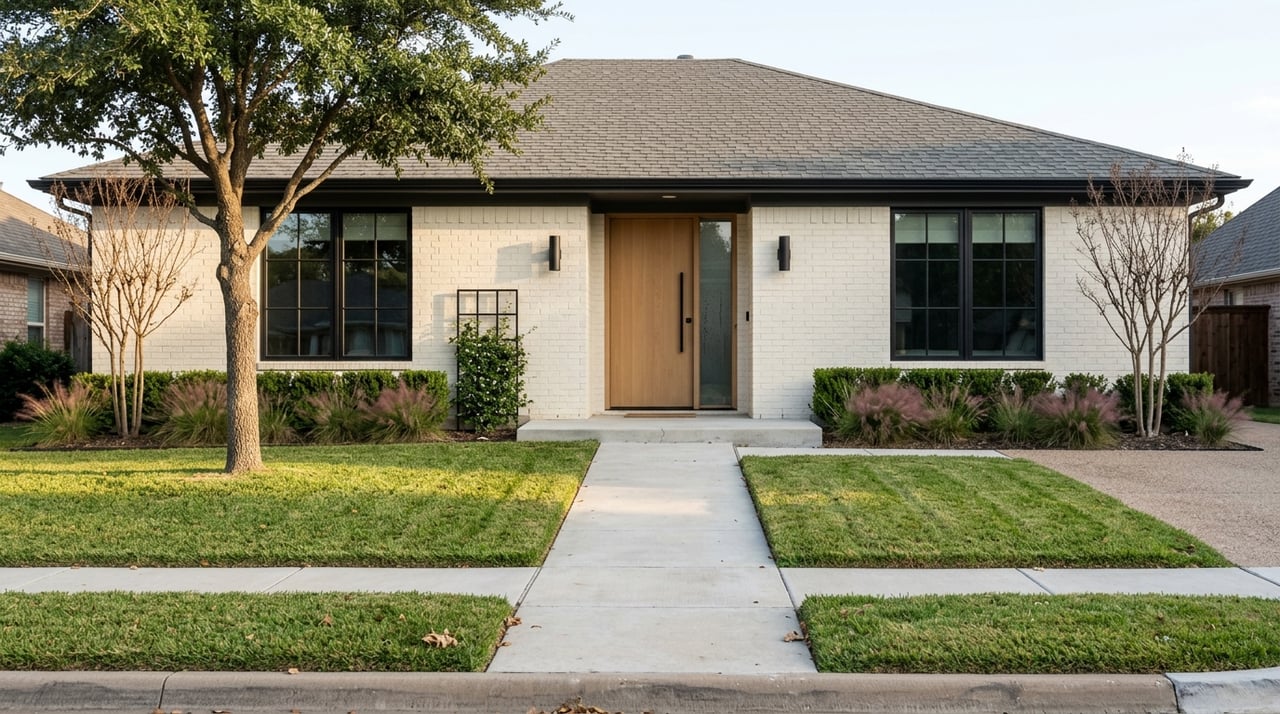
For you as a buyer, that means timelessness usually wins. A coherent exterior, proportionate massing, and a floor plan that can age well often matter more than trend-driven finishes. Paint colors and fixtures are easier to change than awkward placement, weak flow, or a house that feels forced on the lot.
What ages well in this market
A strong Highland Park purchase often has a durable architectural shell. You want a home that works well now and still makes sense years from today, even if style preferences shift. If the basic structure, placement, and layout are right, you usually have more flexibility to personalize without damaging resale potential.
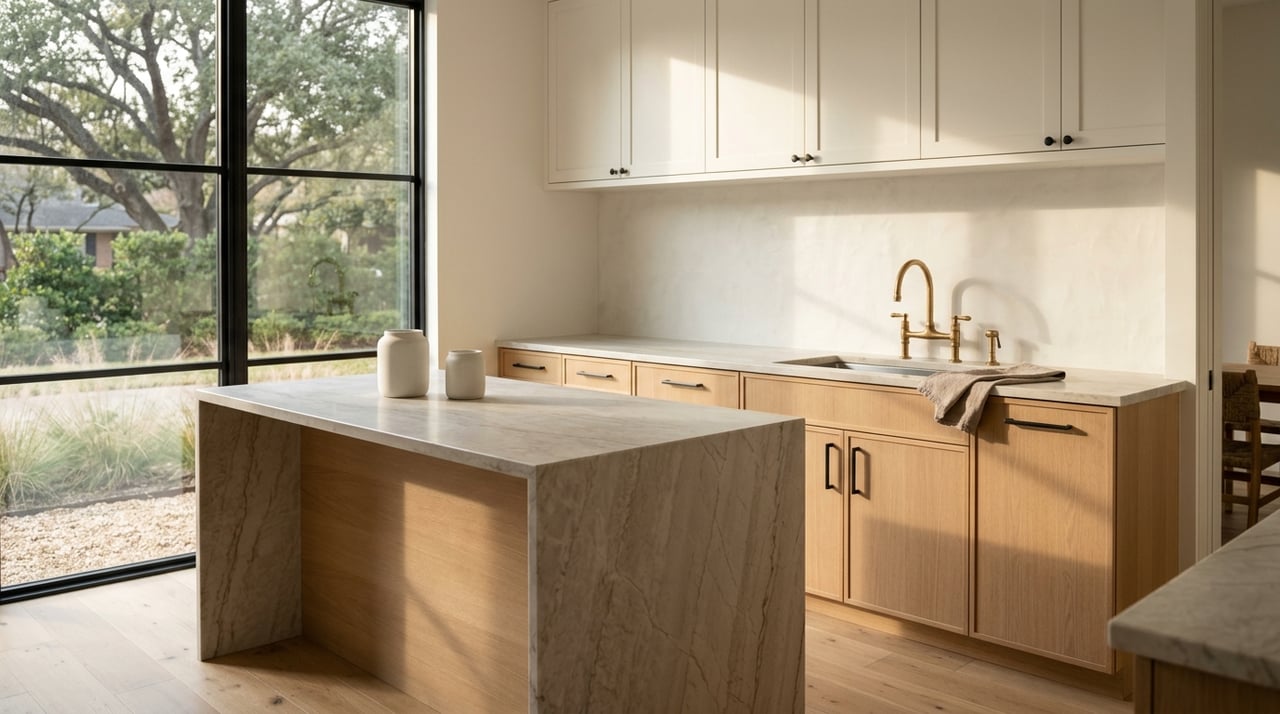
This is where an investor mindset helps. Rather than paying a premium for every current design detail, focus on the bones of the property. Buyers often get better long-term results when they separate cosmetic taste from structural value.
Renovation risk is real
Many buyers assume they can simply purchase a home with “potential” and improve it later. In Highland Park, that can be true, but it is not frictionless. The Town requires permits for remodeling and additions, and work such as general contracting, electrical, plumbing, mechanical, and irrigation must be done by State of Texas licensed and Town-registered contractors.
The Town also notes that remodeling can be burdensome, disruptive, and may last more than 12 months. On top of that, residential renovation involving structural, egress, or kitchen and bathroom modifications carries a $250 non-refundable plan review fee, along with contractor registration fees and other permit costs. That is why renovation should be treated as part of the acquisition math, not a side note.
Not every remodel pays you back
Another important reality is that not all post-closing improvements translate to resale value. The 2025 Remodeling Impact Report summary cited cost recovery estimates such as 100% for a new steel front door, 74% for vinyl windows, 60% for a minor kitchen upgrade, and 50% for a bathroom renovation. The lesson is simple: bigger spending does not always mean bigger return.
That is especially important in Highland Park, where permitting, time, and carrying costs can stack up. If you are comparing a move-in-ready home with a cheaper home that needs extensive work, do not assume the project home is the better deal. You need to measure likely cost, delay, and resale recovery together.
Use a property-specific offer strategy
Highland Park is a prestige market, but that does not mean every listing should be approached the same way. For the three months ending May 2026, local market data shows a median sale price of $2.34 million, median days on market of 16, and a sale-to-list ratio of 97.5%. About 30.8% of homes sold above list price, while 32.6% had price drops.
That mix tells you the market is somewhat competitive, but not uniformly overheated. Some homes move quickly and attract multiple offers, while others need price adjustments. Your strategy should be tied to the specific property’s lot quality, condition, architectural appeal, and likely capital needs after closing.
Prepare before you tour
Because hot homes can go pending in around 15 days, preparation matters. If you are serious about buying in Highland Park, it helps to have financing readiness, proof of funds if relevant, and a clear maximum price before you start seeing homes. That keeps you decisive without becoming impulsive.
A disciplined buyer does not confuse speed with urgency on every property. Instead, you move quickly only when the fundamentals are right. That is how you stay competitive while still protecting your downside.
A simple Highland Park framework
If you want to buy with an investor mindset, use a framework that is easy to apply from showing to showing. It should help you compare homes beyond finishes and keep your attention on what is most likely to matter over time.
Here is a practical checklist:
- Start with the lot. Evaluate orientation, shade, privacy, and outdoor usability.
- Study carrying costs. Factor in property taxes and other ownership costs from the beginning.
- Check the architectural shell. Look for lasting proportions, solid layout, and site fit.
- Be realistic about renovation. Price in permits, contractor requirements, timeline, and disruption.
- Match offer strategy to the asset. Use recent comps, condition, and post-close capital needs.
When you use this lens, the goal is not to find the flashiest house. The goal is to find the property with the strongest long-term mix of land, livability, and resale discipline.
If you want help evaluating Highland Park through both a design lens and an investor lens, Janell Branch can help you weigh the tradeoffs, run the numbers, and make a confident move.
FAQs
What does an investor mindset mean when buying in Highland Park?
- It means evaluating a home as a blend of land, architecture, carrying costs, and resale potential instead of focusing only on finishes or emotion.
Why is lot quality so important in Highland Park?
- Highland Park is a small, built-out town with limited new supply, so orientation, shade, privacy, and outdoor usability can have an outsized impact on long-term value.
How competitive is the Highland Park housing market?
- Recent local market data shows a median days on market of 16, a 97.5% sale-to-list ratio, and a somewhat competitive environment where some homes sell above list and others see price drops.
What property taxes should Highland Park buyers plan for?
- The Town tax rate is $0.199296 per $100 of assessed value and Highland Park ISD’s 2025-26 tax rate is $0.8347 per $100, for a combined rate of about $1.033996 per $100 before county and other taxing units and before exemptions.
What should buyers know about renovating a home in Highland Park?
- Remodeling and additions typically require permits, licensed and Town-registered contractors, and can involve plan review fees, added costs, and timelines that may extend beyond 12 months.
Are move-in-ready homes always a better value in Highland Park?
- Not always, but buyers should compare the premium for move-in readiness against the likely cost, delay, and resale recovery of any renovation they would otherwise need to complete.