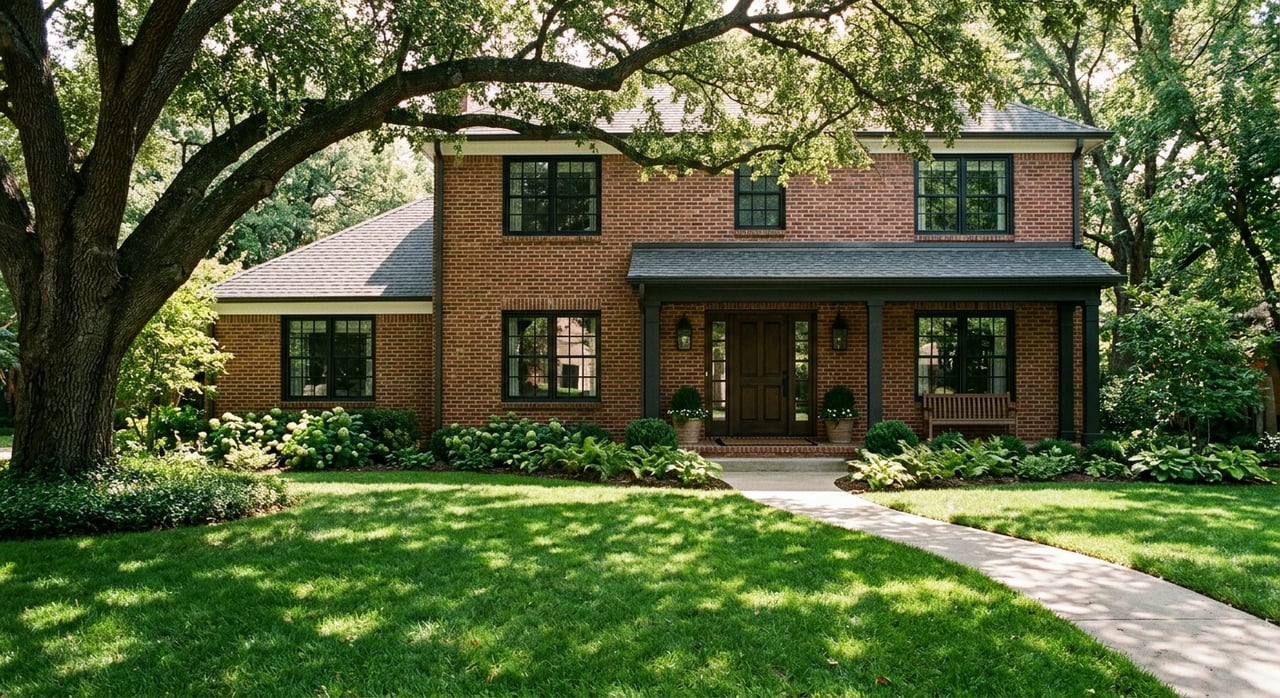
Curious what day-to-day life really feels like in University Park? If you are considering a move, planning a sale, or simply comparing Dallas neighborhoods, it helps to look beyond listing photos and square footage. University Park stands out for its compact footprint, established residential setting, walkable conveniences, and strong connection to parks, traditions, and nearby cultural destinations. Let’s dive in.
University Park at a Glance
University Park is a small city in Dallas County with an incorporated area of just 3.73 square miles, located about five miles north of downtown Dallas and bordered by Dallas on three sides and Highland Park to the south. According to the city’s census and demographics overview, it has 25,278 residents and 6,927 residential parcels.
That compact scale shapes how the area feels in daily life. The city reports that 79% of residential parcels are single-family, along with 60 acres of parkland across 12 parks. Southern Methodist University also has a major presence here, with 12,116 students listed on the city’s demographics page.
A lifestyle snapshot from the city’s 2024 community survey adds another useful layer. In that survey, 98% of respondents said they were satisfied with University Park as a place to live.
Everyday Convenience and Walkability
One of the biggest lifestyle draws in University Park is how many daily needs are close at hand. The city describes Snider Plaza, established in 1927, as the heart of University Park and a walkable destination for everyday convenience.
That matters if you value a neighborhood where errands, dining, and casual meetups can fit naturally into your routine. In addition to Snider Plaza, the city points to Preston Center as a nearby retail and dining hub, with more shops and restaurants along Preston Road, Lovers Lane, and near SMU on Mockingbird.
For many buyers, this kind of layout supports a more efficient lifestyle. You are not just choosing a home here. You are choosing how easily your day can flow from home to coffee, dinner, a quick errand, or an evening out.
Parks Shape Daily Routines
University Park’s parks are woven into everyday life rather than treated as distant amenities. The city notes that its park system supports neighborhood-scale recreation, open space, and recurring community traditions.
Centennial Park includes walking and jogging trails along with an open-air gazebo. It is also the finishing point for the Park Cities Fourth of July Parade, which gives the park a role in both daily use and annual tradition.
Williams Park offers six pickleball courts, a pond, a playground, a fishing pier, open space, and the well-known LOVE sculpture. Burleson Park adds tennis courts, a baseball field, a basketball court, a playground, and picnic areas.
If you are evaluating lifestyle fit, these details matter. They show that outdoor space in University Park is not only scenic but also practical, with places for exercise, downtime, and informal gathering built into the neighborhood fabric.
Community Traditions Feel Local
Some neighborhoods have amenities. Others have rituals. University Park has both.
The city’s special events calendar includes the Children’s Fishing Derby, Eggstravaganza, Movies in Centennial Park, the Park Cities 4th of July Parade, Arbor Day, and the Holiday Tree Lighting at Snider Plaza. These are the kinds of recurring events that can create a strong sense of rhythm throughout the year.
The city also highlights University Park’s tree-lined streets and says residents have purchased more than 3,300 trees through the Trees for Town program since 1982. That long-running effort adds to the established, green character many people notice right away.
Library and Local Resources
The University Park Public Library adds another layer to everyday living. Located at 8383 Preston Center Plaza, Suite 200, the library serves patrons from infants through seniors and currently lists hours from Tuesday through Thursday, 10 a.m. to 8 p.m., and Friday through Saturday, 10 a.m. to 5 p.m.
Beyond standard library services, it also houses Brown Books, a local history archive with original home records and photographs. For anyone who appreciates neighborhood context, architecture, or property history, that archive is a meaningful local resource.
This is one of those details that helps University Park feel established rather than generic. You have practical services, but you also have a place that preserves the story of the community over time.
SMU and Cultural Access
University Park benefits from close proximity to both campus life and major Dallas arts venues. SMU’s main campus spans 234 acres in University Park and Highland Park, about five miles north of downtown Dallas.
The city’s overview also identifies SMU and the George W. Bush Presidential Center as anchor institutions in the community. The Meadows Museum sits on the edge of campus, one block north of Mockingbird Lane, giving residents easy access to campus-based cultural programming.
For broader arts access, nearby downtown Dallas offers major venues in the Dallas Arts District, including the Meyerson Symphony Center, Winspear Opera House, Dee and Charles Wyly Theatre, Strauss Square, and Moody Performance Hall. In practical terms, that means you can enjoy a neighborhood-oriented residential setting while staying close to a wide range of cultural destinations.
Homes and Lot Patterns
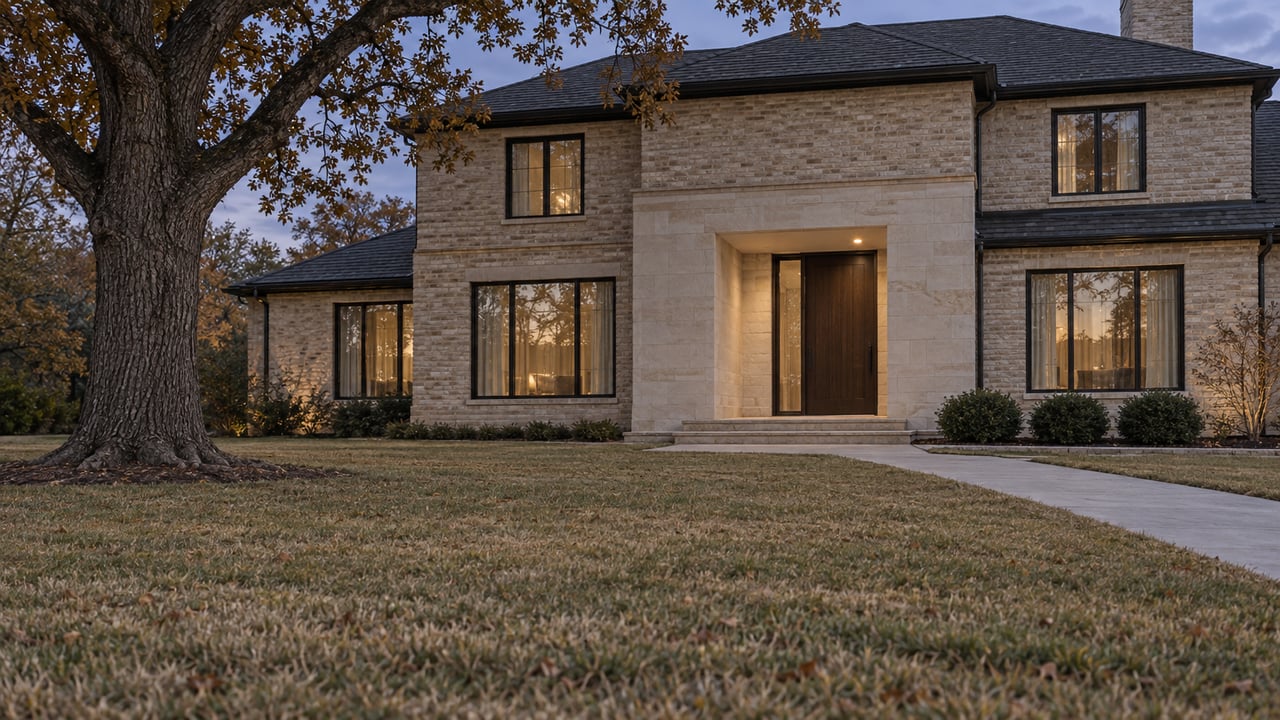
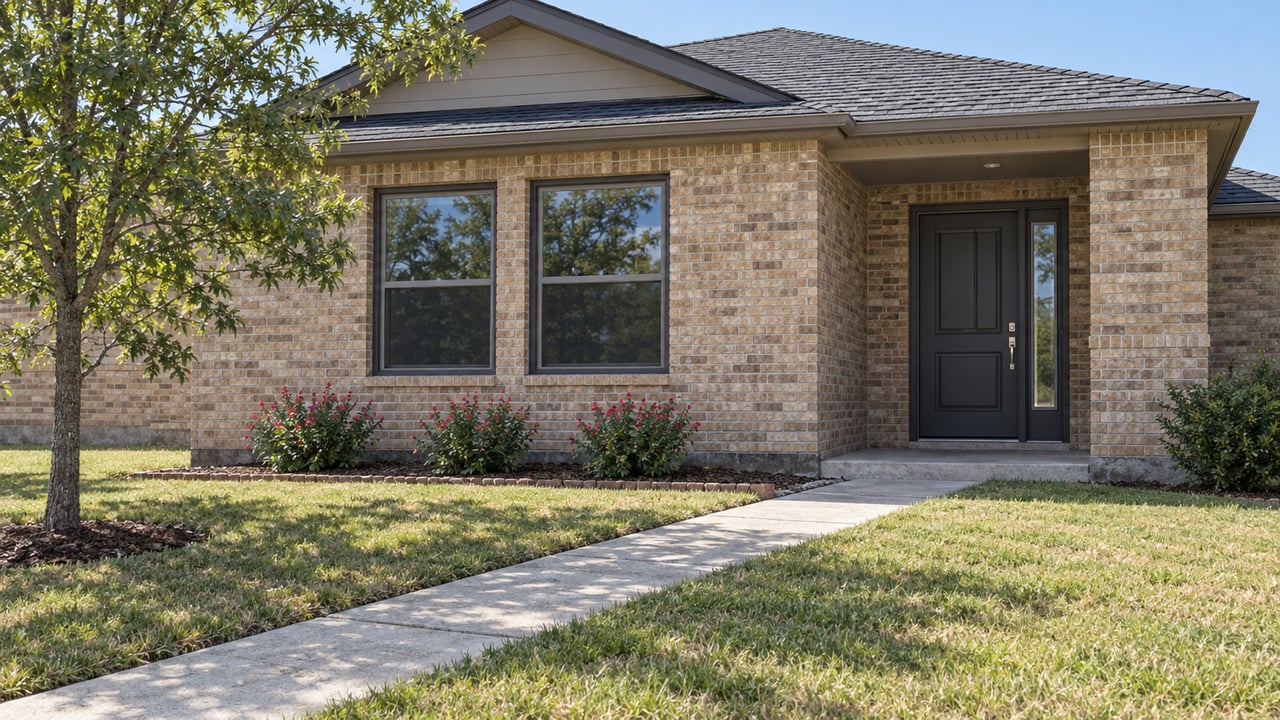
From a real estate perspective, University Park is especially interesting because the housing stock is not one-note. While the city is predominantly residential and heavily single-family, the built environment reflects a mix of original homes, renovations, rebuilds, and careful infill.
The city’s Brown Books archive contains thousands of subdivision records and original structure photos. The city also requires a single platted lot for new single-family construction, with replats required when a lot is split. Together, those details point to a neighborhood pattern shaped more by measured change than by large-scale turnover.
The city’s lot-coverage code shows parcel categories ranging from 0 to 6,000 square feet up through 35,001 square feet or more. That suggests meaningful variation in lot sizes, which can affect everything from home scale and yard space to redevelopment potential and design choices.
Architecture Has Variety
University Park is often associated with classic architectural styles, but there is real variety within that broad identity. Park Cities reporting cited by the research points to a mix that leans traditional, including Mediterranean Revival, Tudor, Neoclassical, and Texas contemporary homes.
That mix can be appealing if you want an area with visual character and a range of home types rather than a more uniform streetscape. It also creates different opportunities depending on your goals, whether you are looking for original charm, updated interiors, or a property with long-term design upside.
From an asset perspective, that variety matters. In neighborhoods like University Park, condition, lot characteristics, architectural appeal, and renovation quality can all play a meaningful role in value and resale positioning.
What Buyers Should Notice
If you are shopping in University Park, it helps to look at more than just the address. The neighborhood’s appeal often comes from how several factors work together.
Pay close attention to:
- Walkability and convenience near Snider Plaza or other retail corridors
- Proximity to parks and how you would realistically use them
- Lot size and how it affects privacy, outdoor space, and future flexibility
- Whether a home is original, renovated, or newly built
- The overall design quality and how it may support long-term value
This is where a strategic lens can help. Two homes with similar square footage may offer very different value based on lot pattern, layout, updates, and positioning within the neighborhood.
What Sellers Should Keep in Mind
If you own a home in University Park, presentation and positioning matter. In an area where buyers may compare original homes, remodeled properties, and newer construction side by side, your home needs a clear market story.
That does not always mean a major renovation. Sometimes the right pre-listing plan is about targeted updates, thoughtful staging, vendor coordination, and pricing that reflects both condition and opportunity.
In a neighborhood with architectural character and varied housing stock, buyers often respond strongly to homes that feel intentional. The goal is to show not just what the home is, but where it fits within the broader market.
Why University Park Stands Out
University Park offers a specific kind of Dallas living. It is compact, established, residential, and amenity-rich, with parks, shopping, local traditions, and cultural access all reinforcing the day-to-day experience.
For buyers, that can mean a neighborhood where convenience and character coexist. For sellers, it means your home is part of a market where lifestyle, design, and long-term value are closely connected.
If you are considering buying or selling in University Park, a strategy-first approach can help you evaluate the area with more clarity, from lot and layout to positioning and resale potential. If you want guidance tailored to your goals, connect with Janell Branch to schedule a consultation.
FAQs
What is everyday life like in University Park, Dallas?
- University Park offers a compact residential setting with walkable conveniences, neighborhood parks, recurring community events, and close access to SMU and downtown Dallas cultural venues.
What shopping areas serve University Park residents?
- The city identifies Snider Plaza as the heart of University Park for walkable everyday convenience, with Preston Center and additional shopping and dining along Preston Road, Lovers Lane, and near SMU also nearby.
What parks are in University Park?
- University Park has 60 acres of parkland across 12 parks, including Centennial Park, Williams Park, and Burleson Park, with amenities such as trails, pickleball courts, playgrounds, tennis courts, and picnic areas.
What types of homes are common in University Park?
- The housing stock is mostly single-family and includes a mix of original homes, remodels, rebuilds, and infill, with architectural styles that include Tudor, Mediterranean Revival, Neoclassical, and Texas contemporary.
How close is University Park to downtown Dallas?
- University Park is located about five miles north of downtown Dallas, which helps make commuting and access to major cultural venues relatively convenient.
What local resources are available in University Park?
- Local resources include the University Park Public Library, Brown Books local history archives, neighborhood parks, annual city events, and nearby cultural destinations connected to SMU and Dallas.