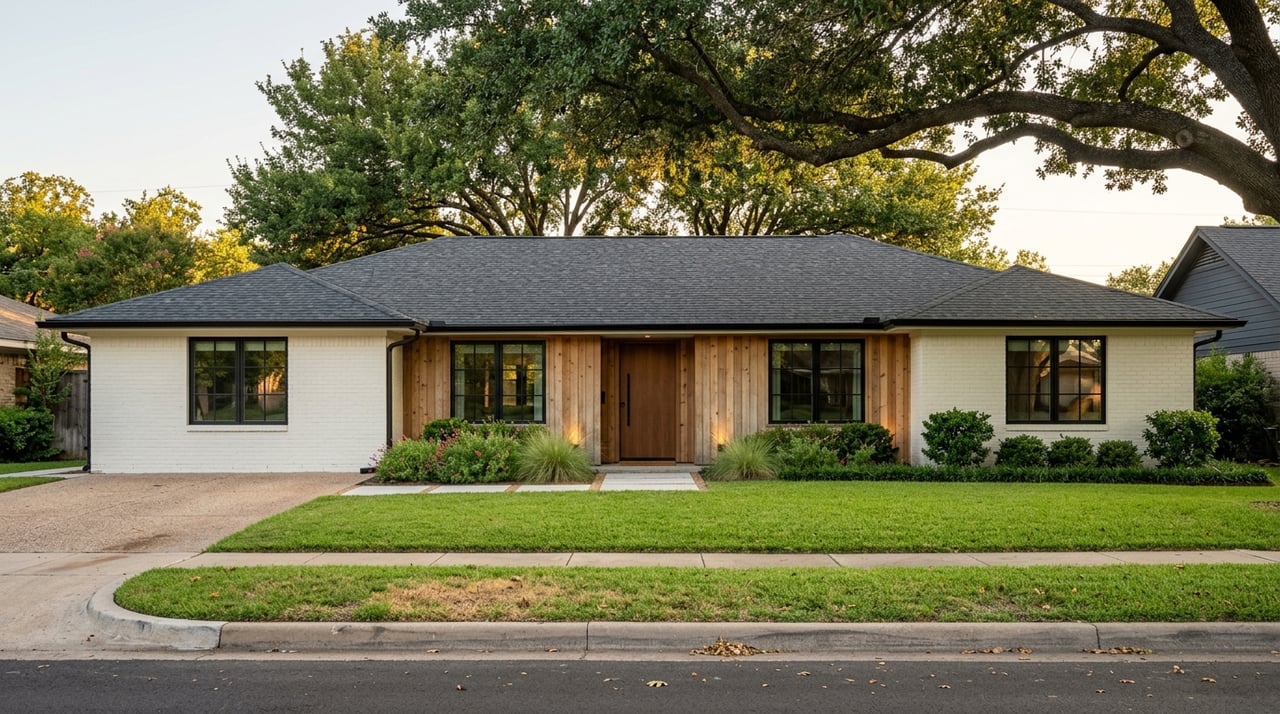
If Bluffview feels different from many Dallas neighborhoods, that is not your imagination. The streets curve, the lots often look irregular, and the homes do not follow one neat architectural formula. If you are trying to understand what gives Bluffview its identity, this guide will help you see the pattern behind the variety. Let’s dive in.
Bluffview starts with the land
Bluffview’s character begins with its physical setting, not a single home style. The historic core, Bluffview Estates, opened in 1924 on a 215-acre dairy farm purchased by J.P. Stephenson and F.M. Drane. According to Preservation Dallas, the neighborhood sits on a 60-foot Austin Chalk bluff above Bachman Creek.
That topography shaped everything that came after. Instead of a conventional grid, the neighborhood developed around the curves of the old pastures and the natural landform. That is a big reason Bluffview still feels distinct within Dallas today.
Streets feel organic, not uniform
One of the first things you may notice in Bluffview is that the streets do not feel rigid or repetitive. Local reporting notes that the winding street pattern came from the old farm layout rather than a standard subdivision plan. This gives the area a softer, more organic rhythm.
For buyers, that often translates into a different experience from block to block. Views, setbacks, and how homes relate to the street can vary quite a bit. In practical terms, Bluffview is often understood less as a uniform subdivision and more as a neighborhood shaped by terrain and preservation choices.
Bluffview architecture is eclectic
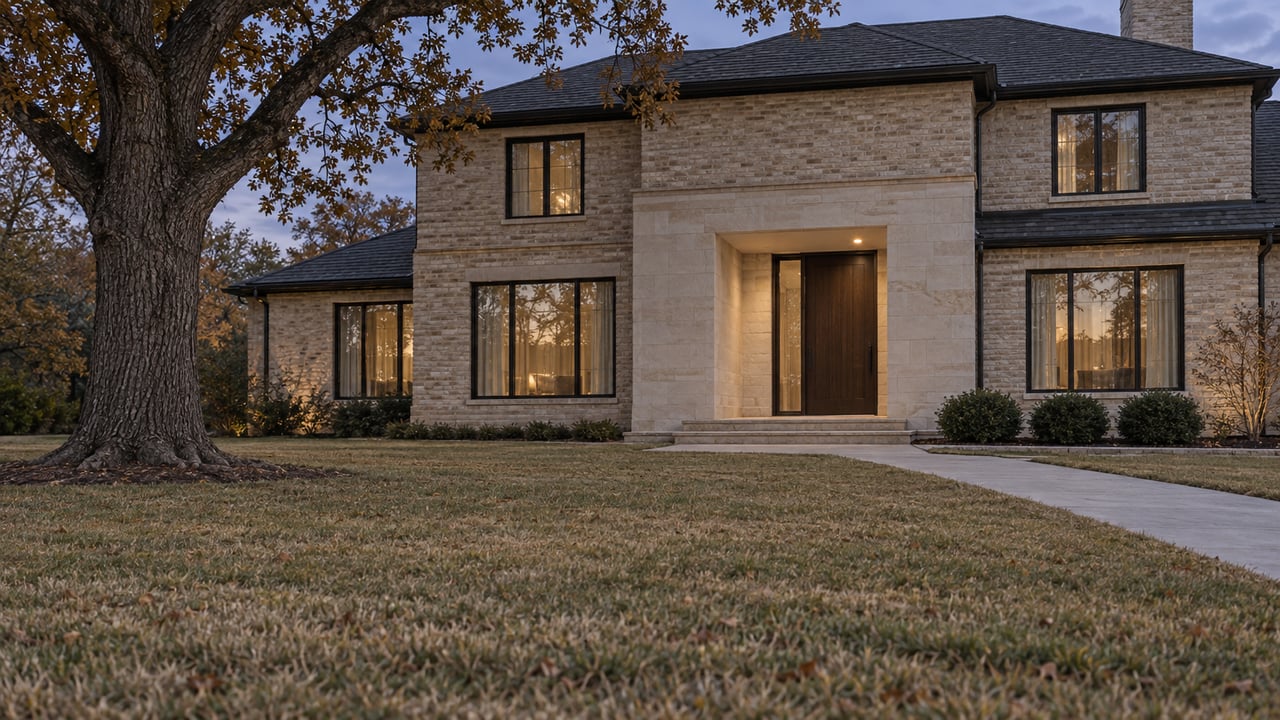
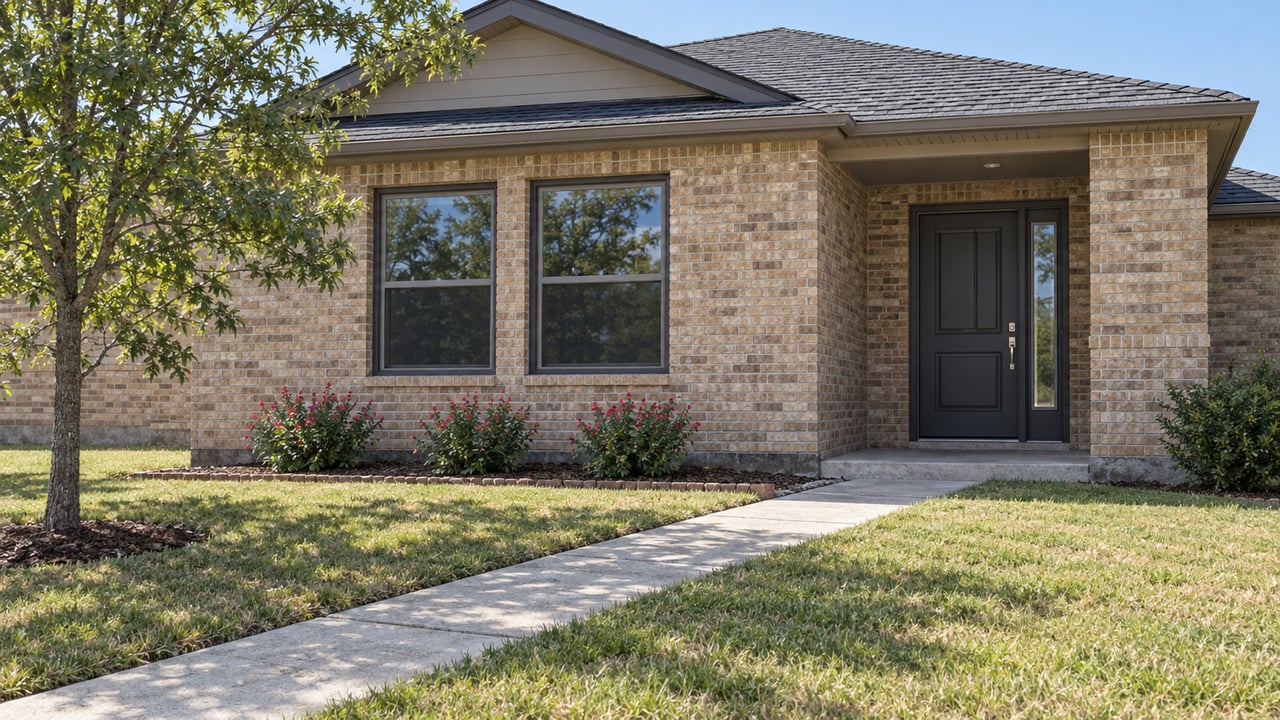
If you are wondering whether Bluffview is known for one signature style, the short answer is no. The most accurate word is eclectic. Preservation Dallas and local coverage describe a neighborhood shaped by multiple architects and multiple eras of construction.
Early development included work associated with architects such as Harre Bernet, Ralph Bryan, Charles Dilbeck, and O'Neill Ford. Over time, the housing mix expanded rather than narrowing into one visual identity. That is why Bluffview can feel cohesive without looking identical.
Multiple eras shaped the look
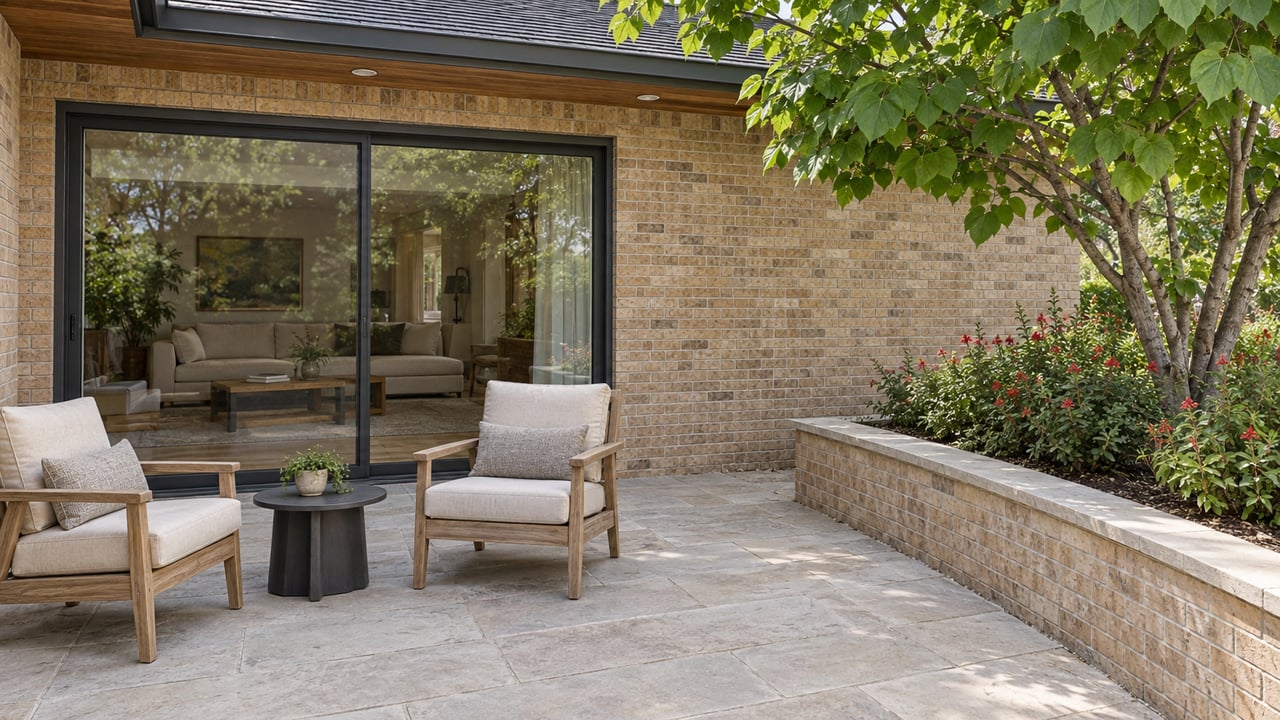
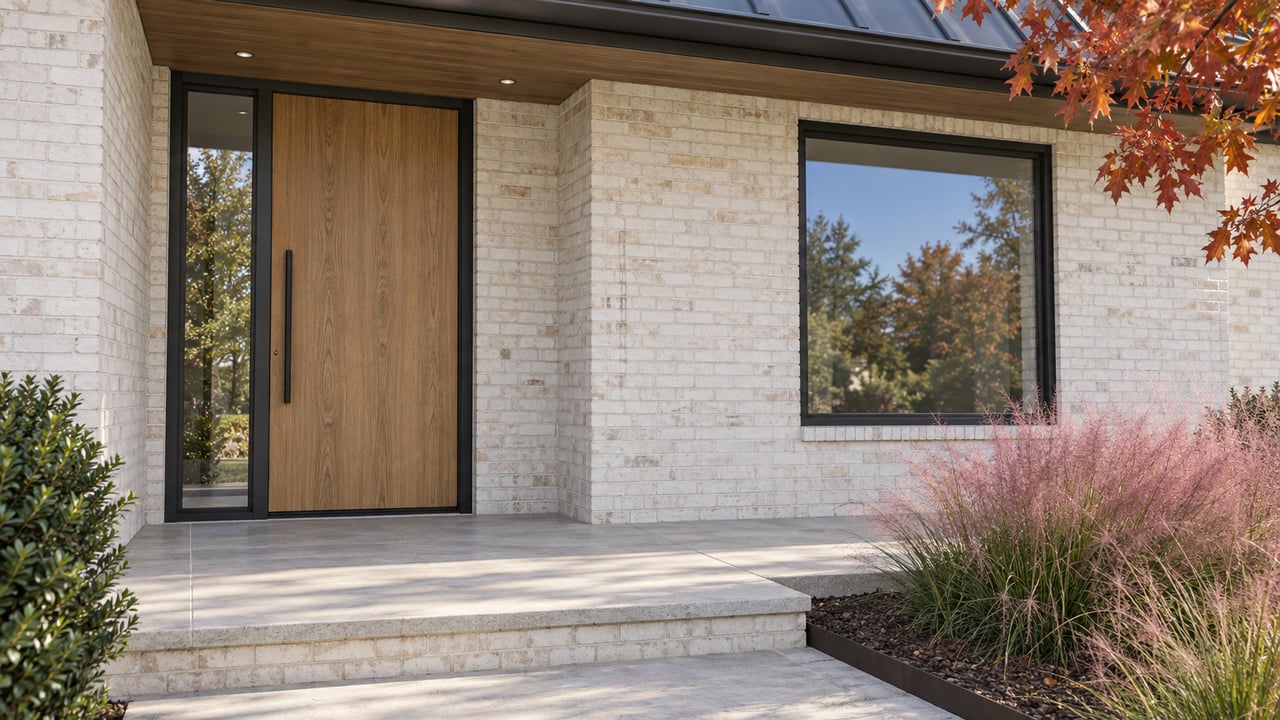
Bluffview saw strong building activity in the 1920s, 1930s, and 1940s. Later, modern architects were also drawn to the area, in part because of the landscape and setting. D Magazine has also noted that many homes today are commonly described as modern, midcentury, or renovated.
That layered history matters when you evaluate a property. A home in Bluffview is often best understood by how it responds to its lot, trees, and topography, not just by the label attached to its style. In a neighborhood like this, architectural character is more about fit than sameness.
Lots explain a lot
Bluffview’s lot pattern is one of its defining features. Local reporting notes that the original farm was turned into one-acre lots, and many parcels were close to an acre. Preservation choices around mature trees and natural drainage also helped produce many oddly shaped lots.
That helps explain why Bluffview often feels more spacious and less standardized than many other Dallas neighborhoods. Large setbacks, layered landscaping, and varied building placement are part of the visual experience. These are not random quirks. They are tied directly to how the neighborhood was originally shaped.
Why lots look irregular
In Bluffview, irregular lots are often the result of intentional site planning. Early builders worked with odd-shaped parcels in ways that preserved trees, the creek, and the natural topography. That decision still influences the streetscape today.
For you as a buyer or owner, this means two homes with similar square footage may live very differently on their sites. Lot shape, elevation, tree canopy, and privacy can affect how a property feels and functions just as much as the floorplan.
The neighborhood feel comes from site design
Bluffview is often described as having a countryside feel, even though it sits in a connected part of Dallas. That impression comes from the combination of bluff-top topography, mature trees, custom homes, and winding streets. It is a setting-driven neighborhood.
D Magazine has described Bluffview as both tucked away and close to central Dallas, including relatively easy access to downtown and Love Field. That balance is part of the appeal. You get a neighborhood experience shaped by natural beauty and seclusion without giving up urban access.
Why custom design matters here
In many neighborhoods, buyers compare homes mostly by square footage, finish level, and age. In Bluffview, that approach can miss the bigger picture. Design response to the site is often one of the most important parts of a home’s appeal.
A house that sits well on the bluff, works with the lot, and preserves mature trees may feel more compelling than a home that simply maximizes interior size. Based on the neighborhood’s development history, that kind of site-sensitive design is closely tied to Bluffview’s long-term character.
Character is not the same as age
A newer or renovated home can still feel aligned with Bluffview. An older home is not automatically the better fit. What tends to matter more is whether the design feels consistent with the land, scale, and landscape around it.
This is especially useful if you are weighing renovation potential. In Bluffview, updates often work best when they respect the property’s setting rather than trying to erase it.
What buyers should notice
If you are shopping Bluffview, it helps to look past surface finishes at first. The architecture here is best understood through the relationship between the home and the site. A strategic review usually includes both design and property fundamentals.
Here are a few things worth paying close attention to:
- How the house sits on the lot
- Whether mature trees appear preserved and integrated into the design
- The shape, usability, and privacy of outdoor space
- Setbacks and how the home relates to the street
- Elevation changes across the property
- Whether additions or renovations feel consistent with the overall home and site
These details can affect both your daily experience and future resale positioning. In a neighborhood like Bluffview, the asset is not just the structure. It is the full combination of location, landform, setting, and design.
What sellers should understand
If you own a home in Bluffview, your property may not be best positioned by generic neighborhood comparisons alone. Buyers often respond to features that are harder to capture in a simple price-per-square-foot conversation. Lot character, trees, setbacks, privacy, and architectural fit can all influence perception.
That is why presentation and pricing strategy matter here. A seller benefits from showing how the property works with its setting, especially if the home has design features or updates that support Bluffview’s custom feel. In this type of market, smart positioning can help buyers understand the value story more clearly.
Why due diligence matters in Bluffview
Because Bluffview includes irregular lots, custom homes, and site-driven design, address-specific due diligence is important before a rebuild, major remodel, or addition. The City of Dallas governs zoning standards such as setbacks, lot size, density, coverage, and floor area ratio. Dallas also uses conservation districts to preserve physical and architectural attributes in certain areas.
The city also provides map resources that can layer zoning, overlays, historic areas, airport overlays, deed restrictions, and similar constraints. In practical terms, that means plans that seem straightforward on one lot may not work the same way on another. If you are evaluating upside, build potential, or renovation scope, property-specific verification is a smart first step.
Bluffview character, simply explained
Bluffview’s architectural character is not about one dominant style. It comes from a combination of landform, winding streets, large and often irregular lots, mature trees, and decades of custom architecture. The result is a neighborhood where variety is part of the identity.
If you are buying, selling, or evaluating a property in Bluffview, it helps to look at the home the way an investor and design-minded buyer would. Focus on how the property fits the site, how the setting contributes to value, and whether the architecture supports the neighborhood’s established character.
If you want a strategic read on a Bluffview property, from design potential to resale positioning, Janell Branch can help you evaluate it with a clear, asset-focused lens.
FAQs
Is Bluffview in Dallas one architectural style?
- No. Bluffview is best described as eclectic, with homes spanning multiple eras and styles, including architect-driven older homes, modern homes, midcentury influences, and renovations.
Why do Bluffview lots in Dallas look unusual?
- Many lots are irregular because early development worked around mature trees, natural drainage, and the area’s topography instead of forcing a standard subdivision layout.
What gives Bluffview in Dallas its distinct feel?
- Its 60-foot bluff above Bachman Creek, winding streets, large lots, mature trees, and custom homes all contribute to the neighborhood’s setting-driven character.
What matters most for Bluffview resale value?
- A home’s relationship to the site often matters a great deal, including how it sits on the lot, how it preserves trees, and whether renovations or additions feel consistent with the property and neighborhood character.
What should you verify before remodeling a Bluffview home?
- You should verify address-specific zoning and related constraints through City of Dallas resources, including setbacks, lot coverage, overlays, historic-area considerations, deed restrictions, and similar property-level factors.