Thinking about relocating to Southlake for your next move? If you want a home base that offers access to major business hubs, convenient airport connectivity, and a high-end residential market, Southlake deserves a close look. The key is knowing how to evaluate commute patterns, housing options, and long-term resale before you buy. Let’s dive in.
Why Southlake Draws Executive Buyers
Southlake stands out as a North Tarrant County city with more than 30,000 residents and 2,000 businesses across 22.5 square miles, according to the City of Southlake resident resources page. For executive buyers, that size often feels like a sweet spot. You get a well-established suburban setting without giving up access to major regional employment centers.
The area also sits in a premium price category. As of March 31, 2026, Zillow reported an average home value of $1,301,365 with homes pending in about 23 days, while Redfin reported a February 2026 median sale price of $1.27M and about 50 days on market, as summarized in the city-backed research provided above. The exact metric varies by source, but the takeaway is the same: Southlake is a high-end market that can still move quickly.
For a relocation buyer, that means preparation matters. If you are balancing a job transition, a family move, or a compressed timeline, you will want a strategy before you start touring homes.
Southlake Housing: What the Market Feels Like
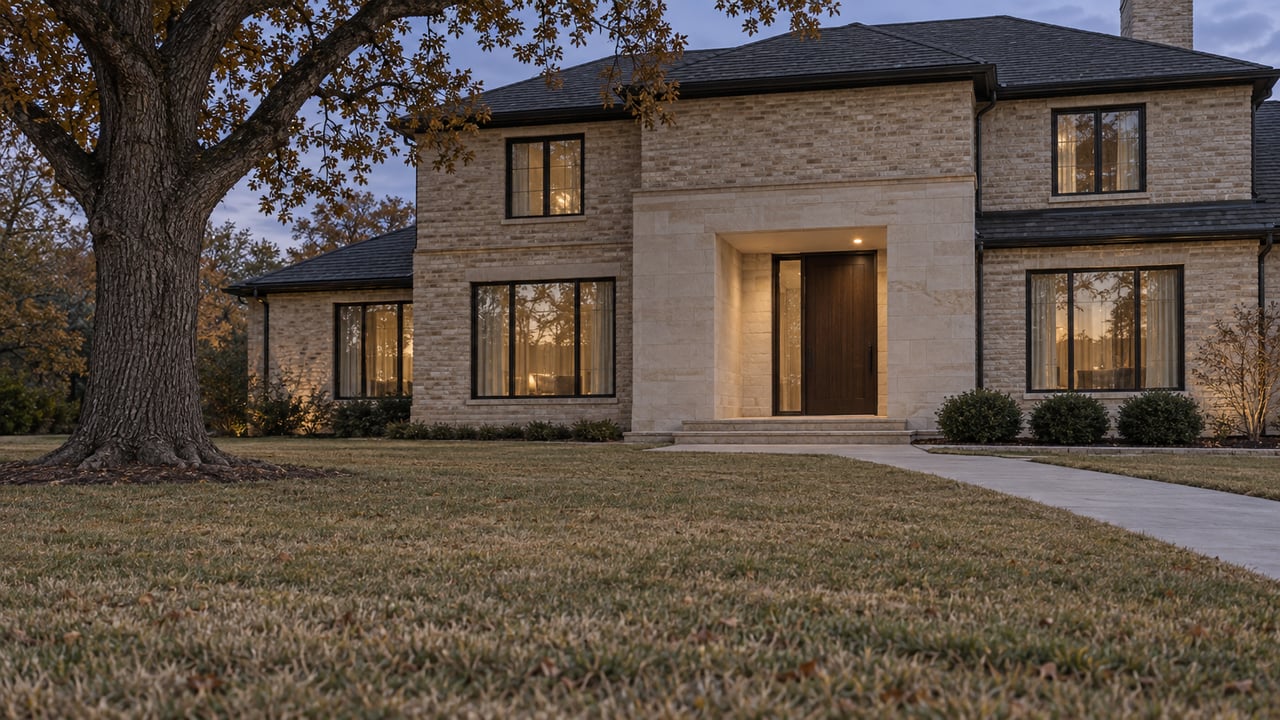
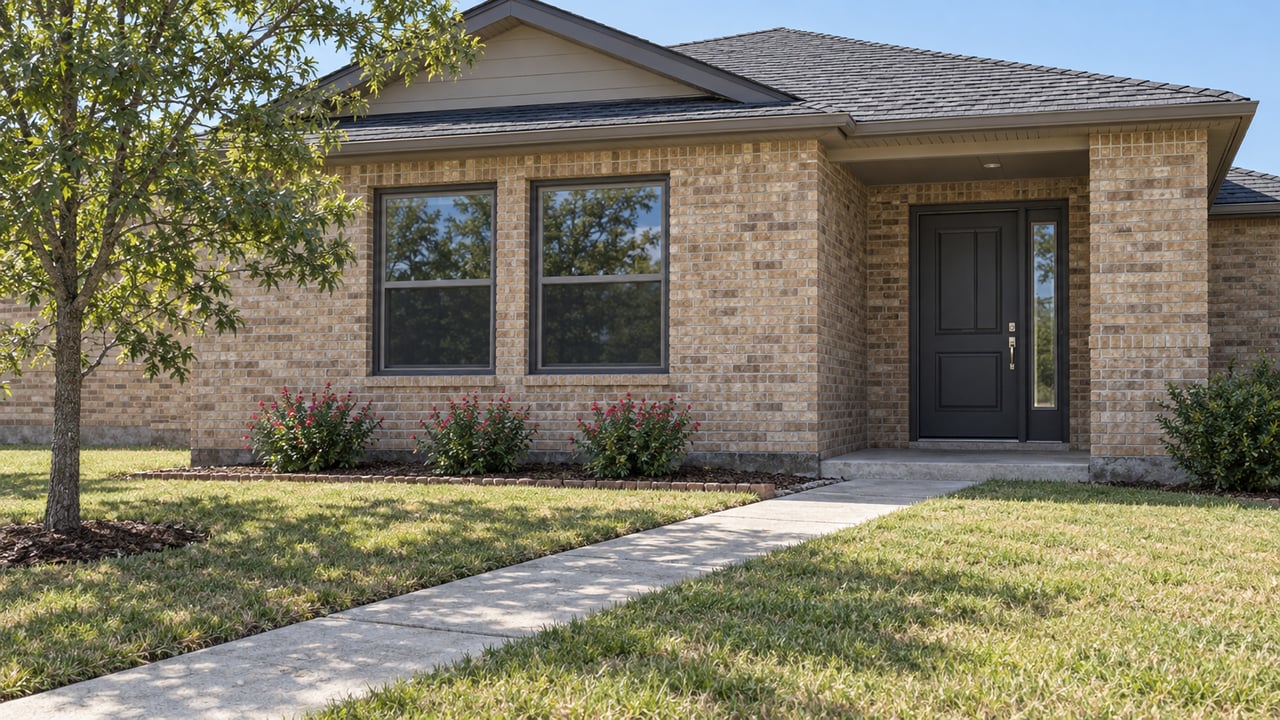
Southlake is largely a single-family home market. The city’s FY2023 Annual Development Report identifies 164 major residential subdivisions, which supports the view that the city is defined more by detached homes and custom-home communities than by dense tract development.
That matters because executive buyers often want more than square footage. You may be weighing privacy, lot size, outdoor usability, home office flexibility, and the overall feel of the property as an asset. Southlake gives you a fairly broad menu on those points.
The same development report shows just how wide the lot-size range can be. Some examples include:
- South Village at Watermere averaging 10,209 square feet
- Southlake Glen averaging 12,032 square feet
- Southlake Hills and Southlake Hills East averaging 22,029 square feet
- Southlake Estates averaging 83,730 square feet
- Meadow Oaks averaging 136,970 square feet
In practical terms, Southlake can offer both newer homes on smaller lots and estate-style properties with substantial land. That range is helpful if you are trying to match your purchase to your lifestyle, maintenance preferences, and likely resale audience.
Town Square vs. Traditional Suburban Living
One of the most important things to understand before relocating is that Southlake’s convenience is not spread evenly across the city. The City of Southlake tourism materials describe Southlake Town Square as the city’s only true walkable, pedestrian-friendly mixed-use development, with retail, restaurant, office, residential, and civic uses in one place.
Southlake also has more than 260 retail venues, which supports its reputation for convenience and amenities. Still, most housing remains suburban and lower-density. So if you picture a walkable daily lifestyle, that experience is concentrated near Town Square rather than being the norm across every part of the city.
This is one of the first tradeoffs I would want you to clarify as a buyer:
- Do you want quicker access to retail, dining, and services?
- Do you prefer more space, privacy, or estate character?
- How much does a walkable core matter compared with lot size and separation?
There is no universal right answer. It comes down to how you want your home to function day to day and how you want it to perform as a future resale asset.
Commute Patterns Matter More Than the Map
If you are relocating for work, Southlake’s road network deserves as much attention as the house itself. The city’s Mobility Master Plan centers on State Highway 114, FM 1709, FM 1938, and the North Carroll corridor. North Carroll Avenue is identified as a key connector between FM 1709 and SH 114.
That corridor-based layout shapes everyday life. Southlake is not a place where you can assume a grid of equal alternate routes. In many cases, your commute experience will depend heavily on a few key roads, so a home that looks ideal on paper may feel very different in practice depending on your office destination and departure times.
This is especially important for buyers commuting to nearby business centers. The research report notes that Las Colinas is home to more than 8,500 businesses, and AllianceTexas is home to 590 companies, while Dallas and Fort Worth continue to support their downtown employment cores through special districts. That helps explain why Southlake appeals to executives who want a residential base near airport, office, logistics, and downtown job centers without living in a denser urban setting.
Airport Access Is a Real Advantage
For many executive buyers, DFW Airport access is not just a perk. It is part of the job. Southlake has a meaningful advantage here because of its direct relationship to SH 114.
According to the official DFW Airport directions page, the airport is entered from State Highway 183 on the south or State Highway 114 or Interstate 635 on the north. Since Southlake already ties into SH 114, airport access is naturally built into the area’s transportation pattern.
That can make a major difference if you fly regularly, host out-of-town colleagues, or need to be on the road with short notice. In relocation planning, that kind of convenience has both lifestyle value and resale value, especially for future buyers with similar work demands.
Construction and Corridor Planning to Watch
A relocation purchase should account for what is happening now and what may still be underway after closing. The city’s Green Ribbon Projects information notes that the SH 114 corridor beautification project could take 8 to 12 years, and North Carroll Avenue work is scheduled through late September 2026.
That does not automatically make any area a poor choice. It simply means your route experience may be shaped by active construction phases, changing traffic flow, and evolving corridor conditions. If you expect a daily commute, this is something to verify before you decide which section of Southlake fits you best.
For executive buyers, I would treat this as part of due diligence. A well-chosen home is not just about the address. It is also about the friction, or lack of it, in your weekly schedule.
Schools, Resale, and Buyer Demand
For many relocation buyers, school assignment is part of the decision-making process. The City of Southlake resident resources page states that Carroll ISD spans a 21-square-mile district, serves more than 8,100 students in 11 schools, and reports TEA A ratings at all campuses.
From a resale standpoint, consistency and recognizability matter. The National Association of Realtors consumer guidance notes that buyers should factor in schools, neighborhood amenities, walkability, public transportation, HOA assessments, utilities, and taxes when evaluating a purchase and its future appeal, as outlined in its consumer guide to preparing for homeownership.
In Southlake, that often translates into prioritizing:
- Carroll ISD assignment
- Flexible floor plans
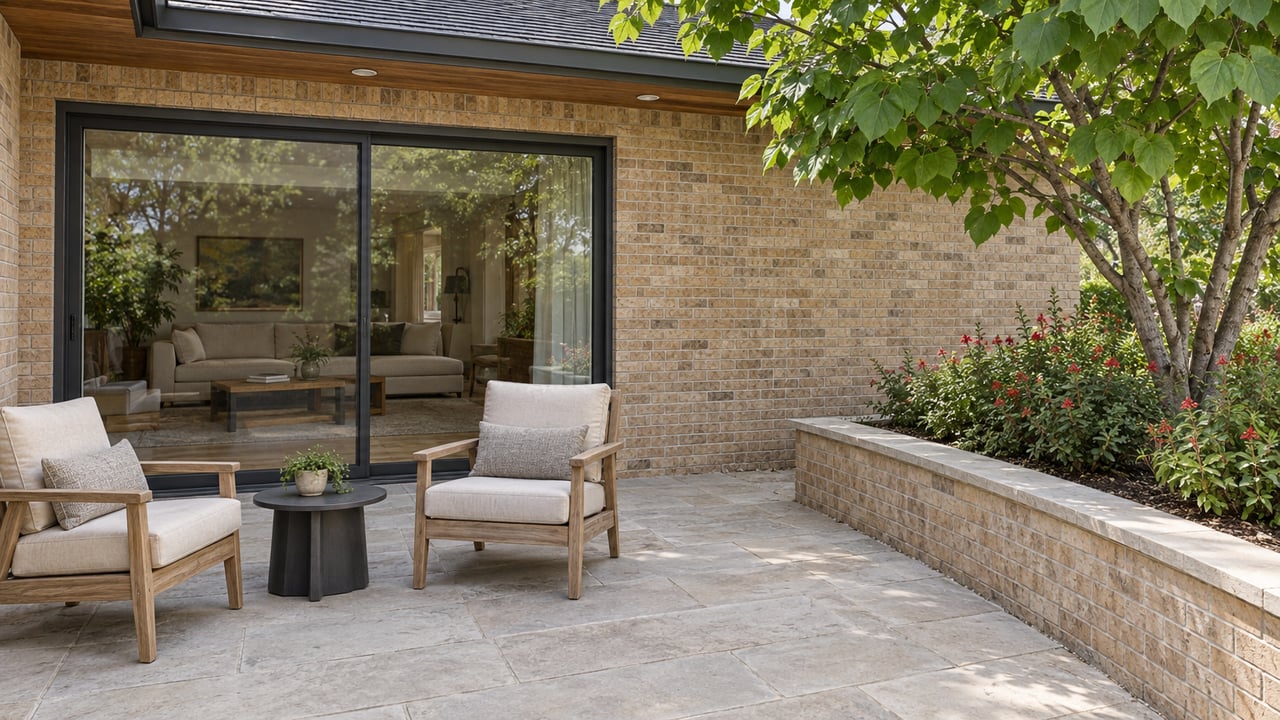
- Usable outdoor space
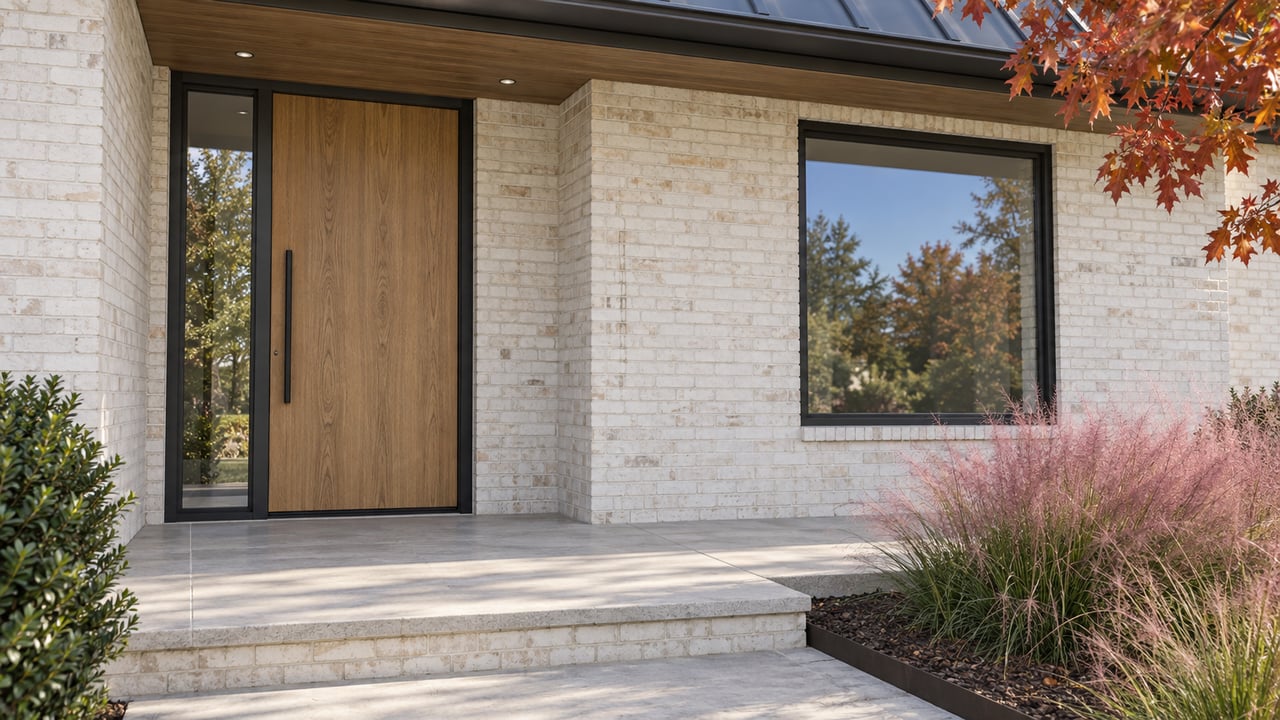
- Strong curb appeal
- Lot size that fits the likely buyer pool
Homes closer to Town Square may appeal through convenience and walkability. Larger-lot properties may appeal through privacy and estate character. The right choice depends on your timeline, budget, and the type of buyer you may eventually sell to.
Southlake Rules Buyers Should Know
Executive buyers often think beyond move-in and ask smart questions about ownership flexibility. That is exactly the right mindset in Southlake.
The city’s Code of Ordinances page highlights several development rules that can affect long-term ownership and resale, including airport-compatible land-use zoning, exterior masonry, driveway, and lighting ordinances. It also states that short-term residential rentals of less than 30 days are prohibited.
That last point is especially important if you thought you might offset future carrying costs with short-term rental income. You should not assume that flexibility exists here. Southlake can be an excellent ownership market, but it is still a market where local rules matter.
The same code context also supports verifying whether a property sits in an airport-influenced or corridor-affected area before waiving contingencies. This can be especially relevant near SH 114, where infrastructure planning and corridor improvements may shape the ownership experience and future buyer perception.
A Smart Relocation Strategy for Southlake
In a premium market, speed without a framework can get expensive. The National Association of Realtors notes that buyers should generally move through a clear sequence: prepare, shop, make an offer, and close. The same guidance explains that mortgage pre-approval can strengthen your position in competitive markets.
For executive relocation, a practical strategy often looks like this:
- Prepare early with financing, timing, and budget clarity.
- Take a first trip focused on commute testing, neighborhood orientation, and narrowing options.
- Take a second trip for targeted showings, inspections, and offer decisions.
- Evaluate resale on day one by looking at layout, lot utility, access, and future buyer appeal.
This is where an asset-minded approach helps. You are not just choosing finishes or counting bedrooms. You are measuring how the home supports your life now and how it may perform when it is time to sell.
How to Buy With an Executive Lens
When you relocate to Southlake, it helps to filter every option through a few strategic questions:
- How reliable is the route to your office, airport, or regular destinations?
- Is the lot size aligned with how you want to live and what future buyers may want?
- Does the home offer flexible spaces for work, guests, or changing household needs?
- Are you paying for features that support long-term value, or just surface appeal?
- Have you verified any corridor, zoning, or rental restrictions that could affect ownership?
Those questions create better decisions. They also reduce the risk of buying a property that looks right online but does not hold up under real-world use.
If you are planning a move to Southlake, the best next step is to build a buying plan around your commute, timing, and long-term goals. Janell Branch offers strategic, asset-focused guidance for relocation buyers who want clarity, strong execution, and a smart framework from search through closing.
FAQs
What should executive buyers know about Southlake home prices?
- Southlake is a premium market, with research in this brief citing Zillow’s average home value at $1,301,365 as of March 31, 2026, and Redfin’s February 2026 median sale price at $1.27M.
What should relocation buyers know about Southlake commutes?
- Southlake commute patterns are corridor-driven, with key routes including SH 114, FM 1709, FM 1938, and North Carroll Avenue, so route testing is important before choosing a home.
What should buyers know about Southlake and DFW Airport access?
- Southlake benefits from direct connectivity to SH 114, which is one of the official access routes into DFW Airport, making airport travel a practical advantage for frequent flyers.
What should buyers know about Southlake housing types?
- Southlake is primarily a single-family home market with 164 major residential subdivisions and a wide range of lot sizes, from smaller lots to large estate-style properties.
What should buyers know about short-term rentals in Southlake?
- Southlake prohibits short-term residential rentals of less than 30 days, so buyers should not assume they can use a home for short-term rental income later.
What should buyers know about resale in Southlake?
- Southlake resale value often depends on factors such as Carroll ISD assignment, floor plan flexibility, outdoor usability, curb appeal, location convenience, and lot size fit for the likely buyer pool.