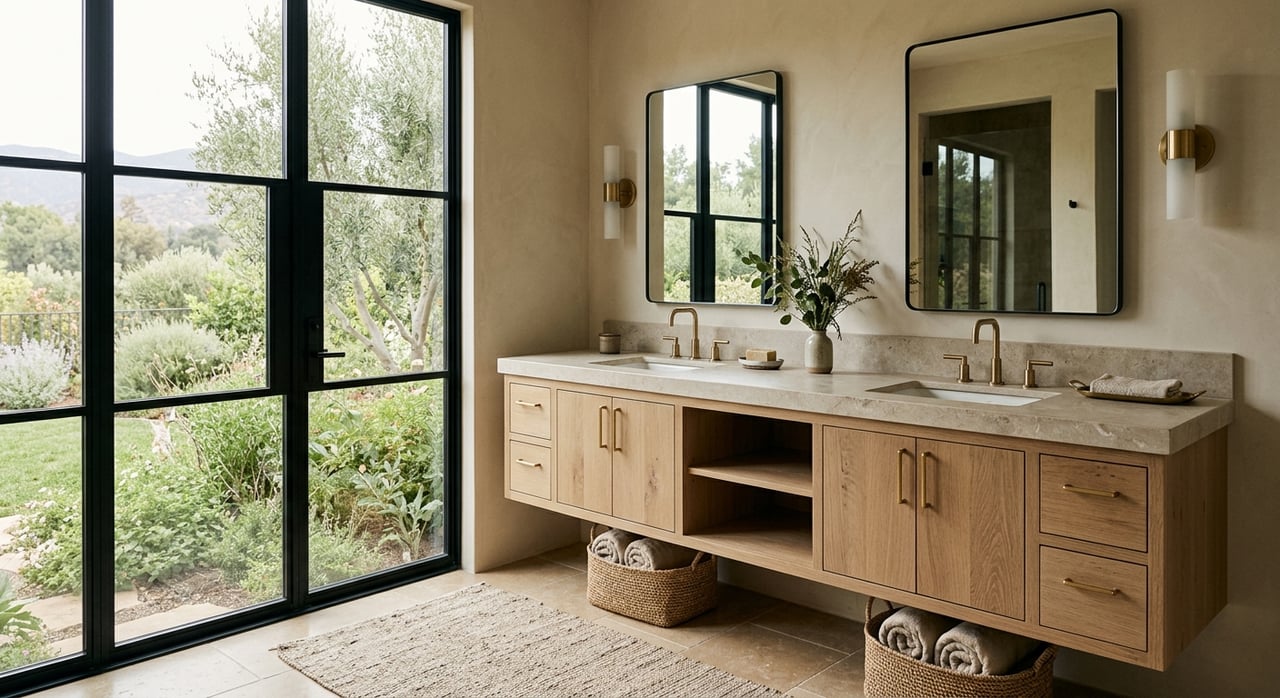
If you are getting ready to sell in Highland Park, one thing is clear: address alone is not the whole strategy. In a market where homes can move quickly but buyers still compare condition, pricing, and presentation closely, the strongest sales usually come from careful positioning, not guesswork. This guide will help you think like a smart seller, from prep and pricing to launch and showing logistics, so you can move forward with more confidence. Let’s dive in.
Why positioning matters in Highland Park
Highland Park is a mature resale market with deep roots. The Town was incorporated in 1913, major land development was largely complete by 1924, and Highland Park Village opened in 1931. That history matters because most sellers here are not competing against large waves of new construction. They are competing against other resale homes, often with different levels of updates, lot appeal, and architectural character.
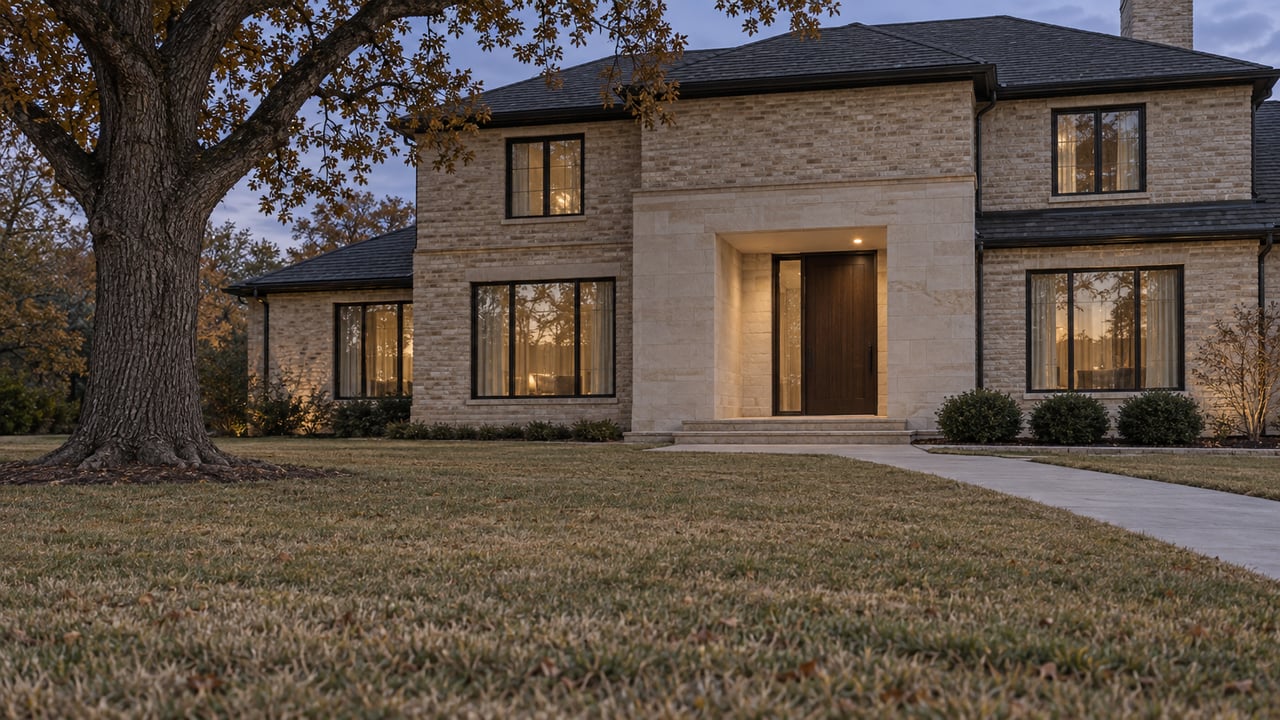
The local setting also raises the bar for presentation. Highland Park maintains 22 park locations and 59.3 acres of green space, which helps shape buyers’ expectations for curb appeal and overall upkeep. When your home enters the market, buyers are not just evaluating square footage. They are also evaluating how well the property fits the polished look and feel of the surrounding area.
Recent market data reinforces that point. Over the three months ending April 2026, the median sale price in Highland Park was $2,153,138, down 15.3% year over year. At the same time, homes sold after a median 25 days on market, and Redfin describes the market as very competitive, with average homes going pending in around 16 days and selling about 2% below list price, while hot homes can sell about 2% above list.
The takeaway is simple: even in a prestigious market, buyers still reward the homes that feel market-ready and correctly priced. Prestige may get attention, but strategy helps convert that attention into a confident sale.
Start with the right pre-listing priorities
Before you think about listing photos or launch dates, focus on the items buyers notice first. National staging data shows that the most common seller recommendations are decluttering, deep cleaning, and improving curb appeal. Those basics matter because they shape the first impression both online and in person.
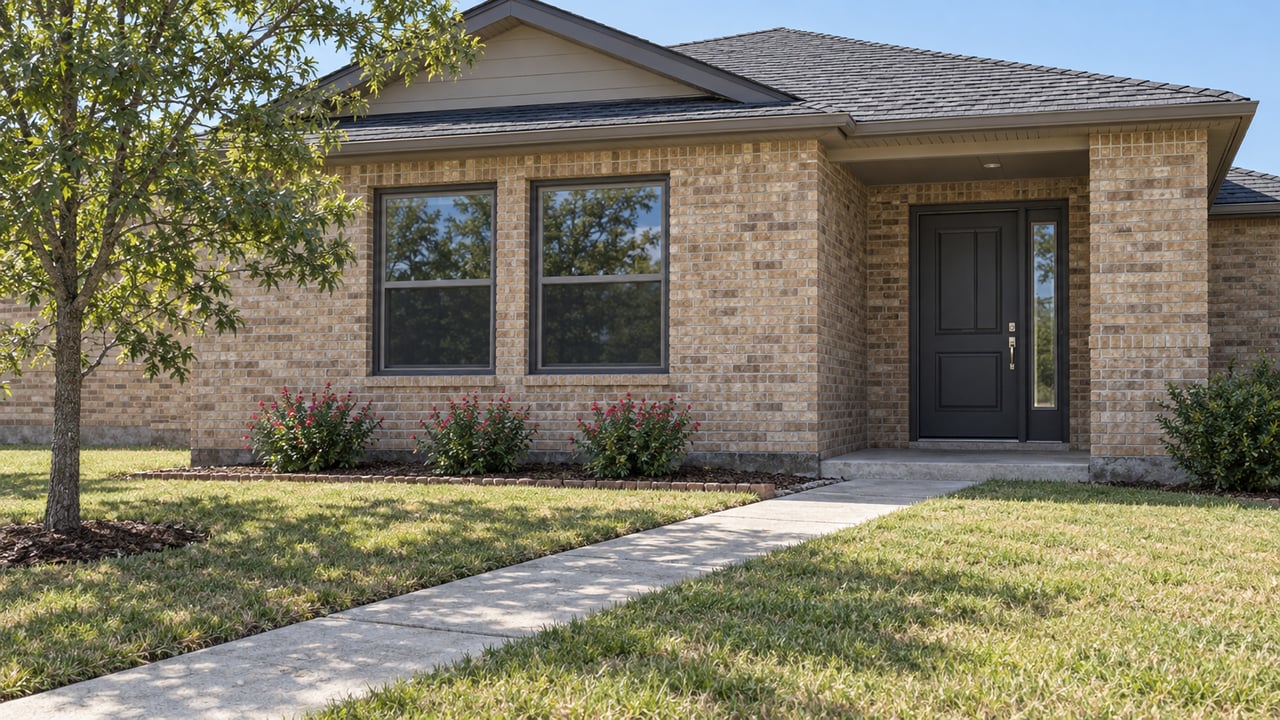
If your home needs prep, start with the highest-visibility issues. Peeling paint, tired landscaping, worn finishes, or a cluttered layout can make buyers question value before they have even seen the full property. In Highland Park, where buyers often compare homes by condition as much as address, that hesitation can affect both showing activity and offers.
A strong pre-listing plan often includes:
- Decluttering each room
- Cleaning the entire home thoroughly
- Refreshing curb appeal
- Touching up visible paint wear
- Fixing obvious deferred maintenance
- Reviewing lighting, hardware, and front entry presentation
This is where an asset-focused approach matters. You do not need to do everything. You need to do the right things in the right order.
Focus on selective updates, not over-improving
One of the most common seller questions is whether to renovate before listing. In most Highland Park sales, the better answer is to update selectively rather than take on broad discretionary remodeling. Buyers tend to respond best to visible improvements that make the home feel cared for, current, and aligned with its price point.
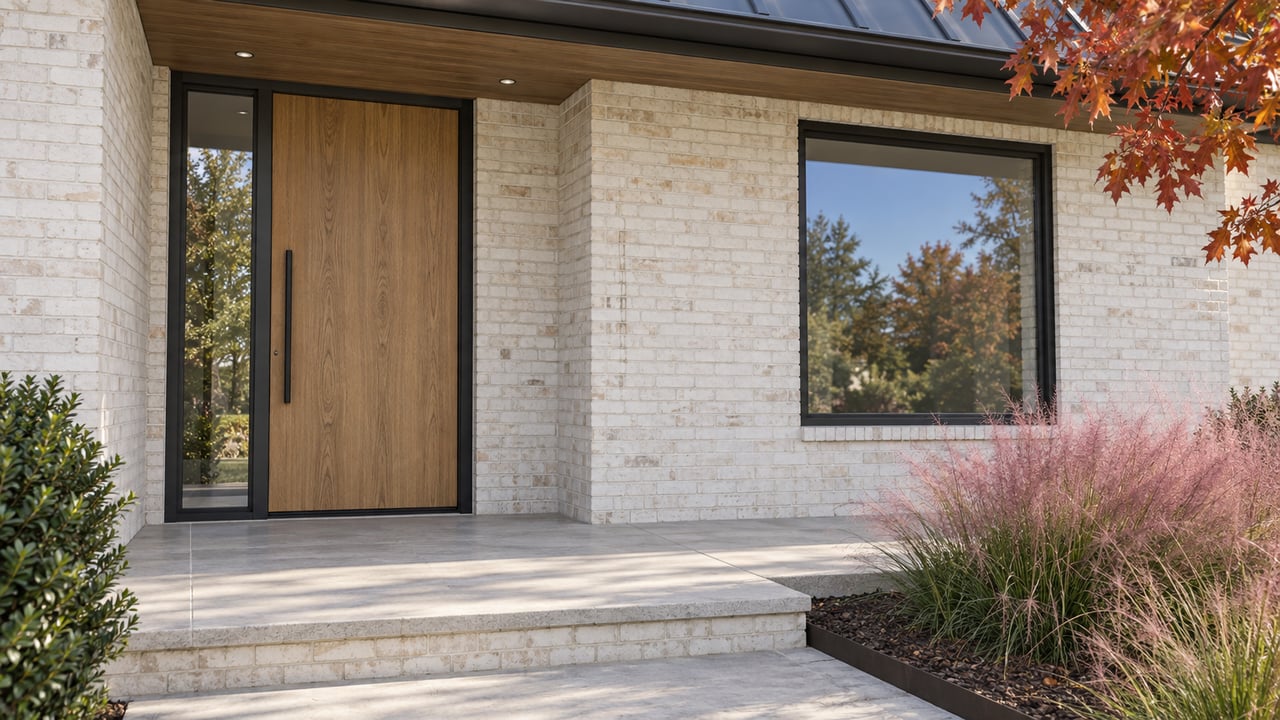
NAR’s 2025 Remodeling Impact Report points to practical pre-sale improvements such as painting and roofing, along with high cost-recovery items like a new steel front door, closet renovation, and fiberglass front door. For many sellers, that supports a measured strategy: improve what buyers see and question first, and avoid large projects unless a specific issue is clearly hurting value.
That may mean:
- Painting the entire home or key rooms
- Updating the front door or entry experience
- Addressing worn roofing concerns if needed
- Improving closet function
- Correcting dated or neglected details that stand out in photos
The goal is not to chase trends. The goal is to remove objections and support your asking price.
Use staging to support the price story
In a luxury-leaning market, presentation is part of pricing. NAR’s 2025 staging report found that 83% of buyers’ agents said staging made it easier for buyers to visualize the property as a future home. It also found that 29% said staging produced a 1% to 10% increase in the dollar value offered, while 49% said it reduced time on market.
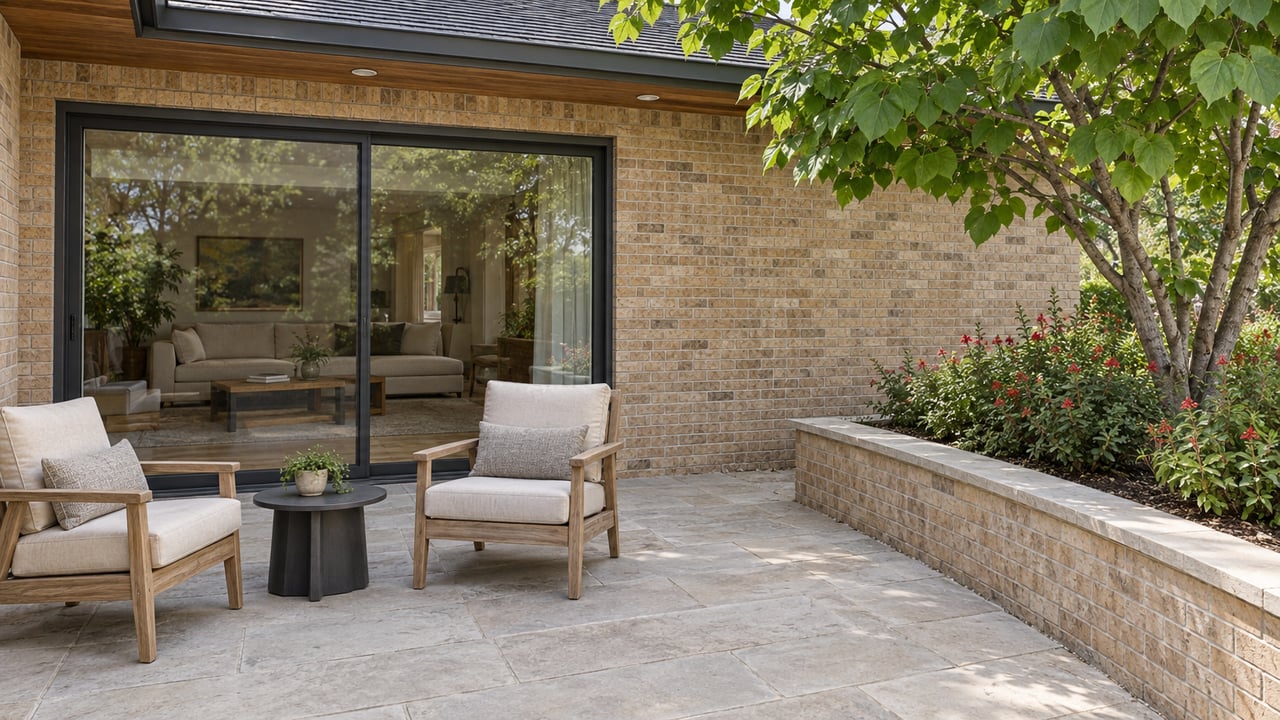
That matters in Highland Park, where the difference between a strong launch and a stale listing can be meaningful. Staging helps buyers understand scale, flow, and function. It can also make architectural details and natural light read better in photos.
If your budget is limited, prioritize the rooms buyers tend to notice most:
- Living room
- Primary bedroom
- Kitchen
NAR reported a median staging service cost of $1,500, compared with $500 when the seller’s agent handled staging. For some homes, a lighter styling plan may be enough. For others, especially those with older furnishings, empty rooms, or a choppy layout, fuller staging can help buyers connect the dots faster.
Get photo-ready before you go live
Most buyers meet your home online first. NAR says 81% of buyers rated listing photos as the most useful feature during their online home search. The lead image sets expectations, which means your home should be fully ready before photography begins.
That is why the launch sequence matters. Condition first, styling second, photography third, and marketing last. If you rush photos before the house is truly ready, you can lose momentum that is hard to regain.
Before photography day, make sure you have handled:
- Cleaning and decluttering
- Minor repairs
- Yard and entry refresh
- Staging or styling
- Proper lighting throughout the home
- Removal of distracting personal items
NAR also notes that buyers’ agents view photos, physical staging, videos, and virtual tours as important, and that online presentation can increase willingness to tour a home in person. In other words, digital marketing works best when the property has been prepared with care.
Price against your true competitive set
Townwide averages can give you context, but they should not be your pricing strategy. In Highland Park, the most useful comparison is usually your immediate competitive set: nearby homes with similar lot size, architectural style, renovation level, and street appeal.
That is especially important in a market where average homes are selling slightly below list price, but standout homes can still outperform. If your home is more updated than recent nearby sales, that may support a stronger position. If it is less updated, the market will likely notice quickly.
A strategic pricing process should answer a few questions:
- Which nearby sales truly match your home?
- How does your condition compare with active competition?
- Are buyers likely to see your home as turnkey, partially updated, or value-add?
- Does the asking price reflect both the location and the level of finish?
This is where a design-and-investor lens becomes useful. Buyers in Highland Park often look beyond square footage alone. They weigh presentation, renovation quality, and how much work they would need to do after closing. Pricing should reflect that reality.
Reduce surprises with a pre-listing inspection
If your home is older, has had multiple remodel phases, or includes systems buyers may question, a pre-listing inspection can be a smart risk-control step. NAR notes that a professional inspection before listing can help sellers identify plumbing, roof, or electrical issues in advance and reduce surprises that could derail a sale.
This does not mean every seller needs one. But when a home has complexity, the inspection can help you decide what to fix, what to disclose clearly, and what to price around. It can also strengthen buyer confidence by showing that the property has been evaluated before going live.
For a confident sale, fewer surprises usually mean smoother negotiations. That can be especially valuable when your goal is strong terms, less renegotiation, and a cleaner path to closing.
Follow Highland Park’s local rules during prep
Highland Park has specific local rules that can affect your listing prep, and they are worth planning for early. The Town requires permits for a wide range of work, including painting, fences, driveways and walks, electrical and mechanical work, remodeling and additions, repairs, signs, pools, and more. Property owners are responsible for making sure a permit is obtained, and contractors must be licensed by the State of Texas and registered with the Town.
That means pre-listing work should not be treated casually. If you are coordinating repairs or cosmetic improvements, confirm early whether the work requires a permit and whether your contractor is properly registered. A rushed project can create unnecessary friction just when you want the home looking polished and market-ready.
The Town also requires address numbers to be at least 3 inches tall and plainly visible. In addition, weeds, trash, dead vegetation, and other unsightly conditions are prohibited. These may sound like small details, but they affect how the property looks in photos and how buyers experience the home from the curb.
Construction timing matters too. The Town says construction is generally allowed Monday through Saturday from 7 a.m. to 6 p.m. and not on Sunday or listed holidays. If you are trying to hit a target listing date, build your prep calendar around those limits.
Plan ahead for signs, parking, and showings
Showing logistics can be easy to overlook, but they matter in Highland Park. The Town has resident-only parking areas in several blocks and a resident-only preferential parking program. Residents can receive two resident decal permits and two guest placards annually at no charge, visitor tags can be issued for larger gatherings, and general contractors may obtain parking placards based on a Town-issued building permit.
If you are scheduling stagers, painters, photographers, or open-house traffic, it helps to think ahead. Good planning can reduce disruption and make the process smoother for you, your vendors, and your neighbors.
Yard signs are another detail with local rules. Highland Park allows one real estate sign per street frontage, up to 8 square feet, with no more than two riders or additional plates. An open sign up to 2 square feet is allowed when the home is open for public inspection, and the real estate sign must be removed within 10 days after closing.
These details may seem minor, but they are part of clean execution. When your prep, launch, and showing plan are aligned with local rules, the sale process tends to feel more controlled from the start.
What a confident sale really looks like
A confident sale is not about doing the most. It is about making smart choices that support value, reduce friction, and help buyers say yes faster. In Highland Park, that usually means strong pricing discipline, thoughtful presentation, selective improvements, and a launch plan that respects both the market and the Town’s local requirements.
If your home is dated, the answer is not always a full renovation. If your home is beautiful, the answer is not always to test the top of the market. The strongest strategy is usually the one that connects condition, pricing, and buyer expectations in a way that feels clear and credible.
When you approach your sale like an asset, not just a floorplan, you put yourself in a better position to attract serious interest and negotiate from strength. If you are preparing to sell in Highland Park and want a strategic plan for pricing, positioning, and pre-listing coordination, connect with Janell Branch.
FAQs
Should you renovate a Highland Park home before listing?
- Usually, selective updates are the smarter move. Focus on visible condition issues, curb appeal, paint, and other improvements that support the home’s price point rather than taking on oversized projects that may not be reflected in the final sale price.
How important is staging for a Highland Park home sale?
- Staging can be very important because it helps buyers visualize the home and can support stronger offers and less time on market. If your budget is limited, prioritize the living room, primary bedroom, and kitchen.
How should you price a Highland Park home for sale?
- Price your home against its true competitive set, not just the townwide average. The most useful comparisons are nearby homes with similar lot size, style, condition, renovation level, and street appeal.
Do Highland Park home improvements require permits before listing?
- Many do. The Town requires permits for work such as painting, fences, driveways and walks, electrical work, mechanical work, remodeling, additions, repairs, signs, pools, and more, so it is important to confirm requirements before starting pre-listing projects.
What local details matter when showing a Highland Park home?
- Parking rules, sign rules, and scheduling logistics all matter. Resident-only parking areas, guest placards, contractor parking access, and the Town’s sign ordinance can all affect how smoothly prep, showings, and open houses run.